If you have booked dental implant treatment — or you are weighing it up — it is completely natural to wonder what the day itself will actually feel like. Most people picture something far more daunting than the reality.
The truth is reassuring. Most patients find dental implant surgery much easier and more comfortable than they expected. Knowing what happens at each stage tends to settle the nerves quickly.
This guide walks you through the whole day, from the moment you arrive to the moment you head home. It is written for Scottish patients who want honest, clear information rather than vague promises.
Why patients often feel nervous before implant surgery
A little apprehension before any procedure is normal. Implant surgery sits in that category for many people, even those who have had other dental work without trouble.
Common worries usually centre on a handful of things: whether it will hurt, what the injections feel like, how long they will be in the chair, and how rough the recovery might be.
These fears are understandable. Most of us have never had implant surgery before, so the mind fills in the gaps — often with worst-case scenarios. The reality on the day is almost always calmer and more controlled than the version we imagine.
What happens before your appointment?
By the time your surgery day arrives, the hard planning is already done. Implant placement is never rushed into; it follows careful preparation.
Before the day, your treatment usually includes:
- A thorough implant consultation to assess your suitability
- A CBCT scan (a detailed 3D image of your jaw) to map bone height, density, and the position of nerves and sinuses
- A clear treatment plan showing exactly where each implant will be placed
- Written preparation instructions tailored to you
You may be advised to eat a normal meal beforehand, arrange a lift home if sedation is involved, and take any prescribed medication as directed. If you have questions before the day, it is always worth asking — there is no such thing as a silly one.
What happens when you arrive at the practice?
When you arrive at Waterloo Dental Practice in Lanark, the first part of the day is gentle and unhurried.
You will be welcomed and checked in, then shown through to the treatment area. Before anything begins, your clinician will:
- Talk you through the dental implant procedure once more
- Review your treatment plan and the scans together
- Confirm the agreed approach
- Answer any final questions you have
This step matters. It gives you a chance to settle, ask anything still on your mind, and feel confident that nothing is being rushed.
How is the area numbed?
The treatment area is numbed using local anaesthetic, the same kind used for routine fillings. It blocks sensation around the implant site so you do not feel pain during the procedure.
A small amount of numbing gel is often applied first, so the injection itself is barely noticeable. Within a few minutes the area feels heavy or thick rather than sharp.
For more anxious patients, additional comfort options such as sedation may be discussed during planning. The goal is always the same: you stay comfortable throughout.
What actually happens during implant surgery?
Here is the part most people are curious about. The procedure is methodical and quieter than expected. You will be awake (unless sedation has been arranged), but you should feel no pain.
A simple step-by-step view of implant placement:
- Preparation — once you are fully numb, the gum over the implant site is gently opened to expose the bone.
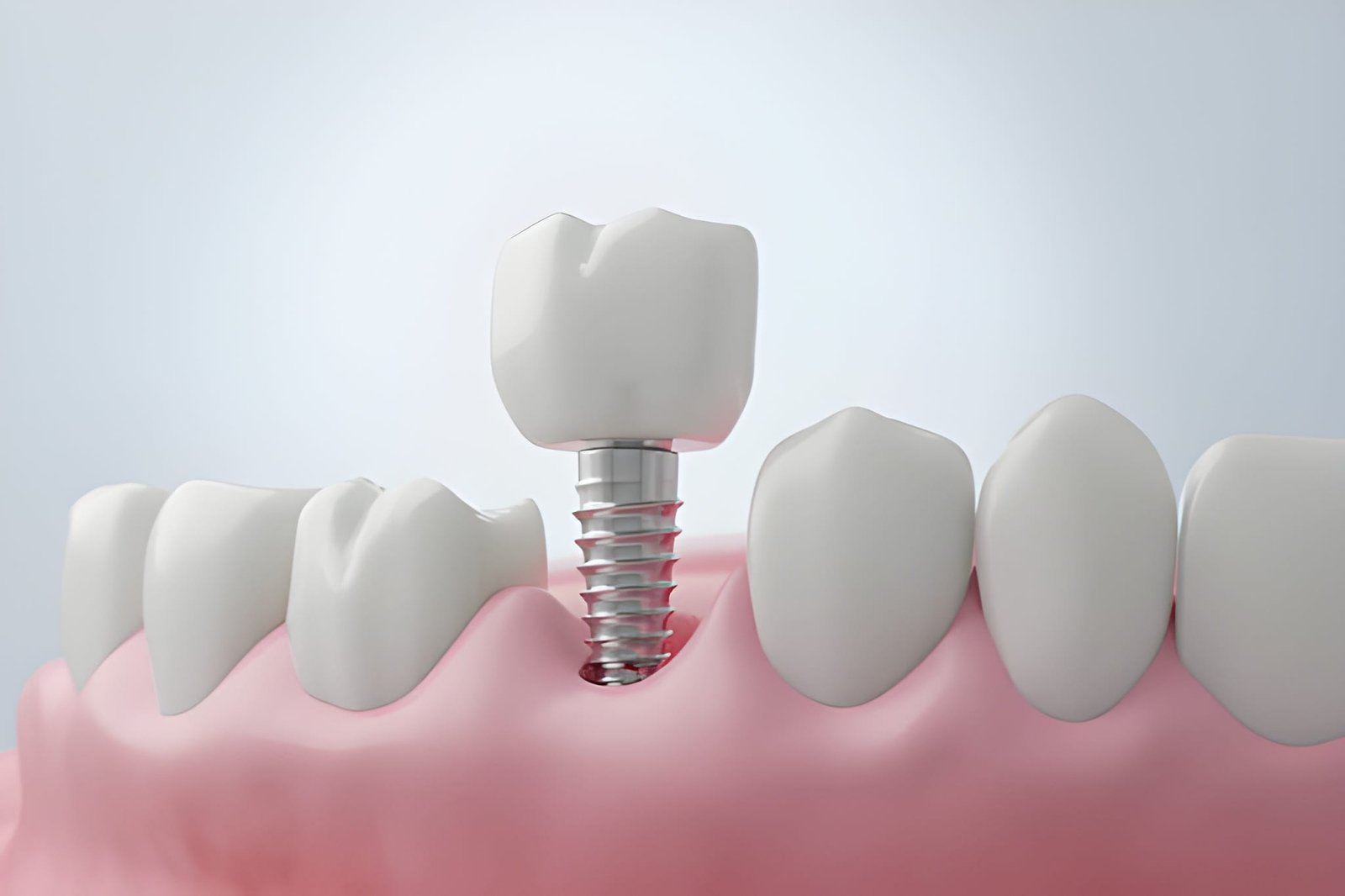
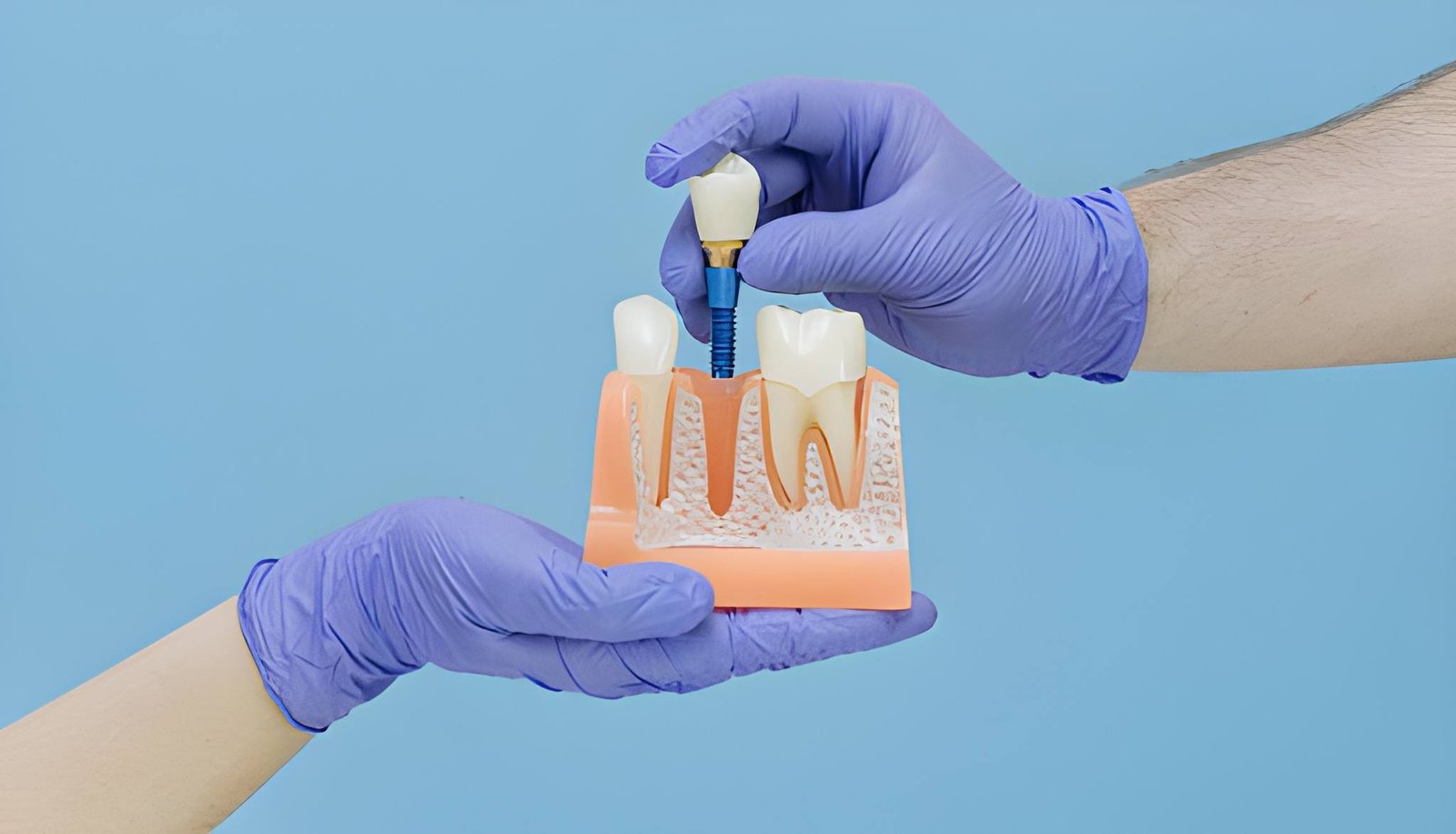
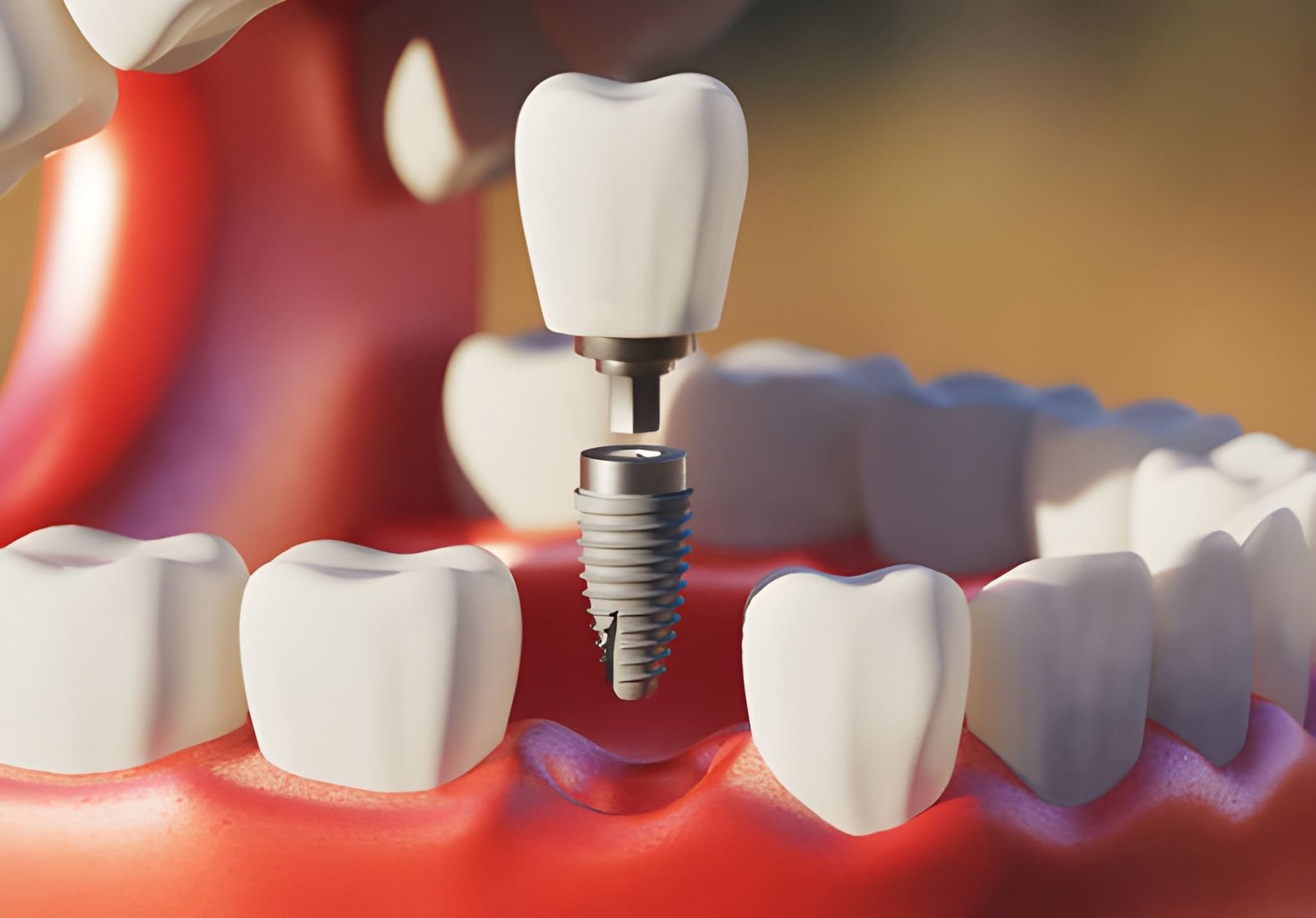
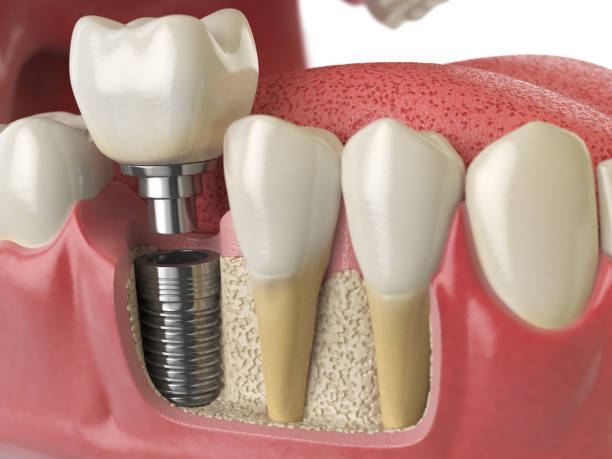
- Placement — a precise space is prepared in the jawbone, and the titanium implant is carefully positioned. This is the core of the dental implant procedure.
- Closing the site — the gum is secured over or around the implant, often with dissolvable stitches.
- Checks — your clinician confirms everything is seated correctly.
You will feel some pressure and movement, and you will hear instruments, but pressure is not pain. Many patients are surprised by how undramatic it feels.
Will I feel pain during the procedure?
This is the question almost everyone asks: are dental implants painful?
During surgery, you should not feel pain because the area is fully numbed with local anaesthetic. Most patients report pressure or vibration rather than discomfort.
We cannot promise a completely sensation-free experience, as everyone is different — but genuine pain during the procedure is uncommon. If you ever feel anything sharp, you simply let your clinician know and more anaesthetic can be given.
How long does implant surgery usually take?
Treatment times vary depending on complexity. A single implant can often be placed in around an hour, while multiple implants or additional procedures such as bone grafting take longer.
Your clinician will give you a realistic time estimate at the planning stage, so you arrive knowing roughly what to expect rather than guessing.
What happens immediately after surgery?
Once the implant is placed, the focus shifts to a smooth start to your dental implant recovery.
Before you leave, you will receive:
- Clear aftercare instructions, written down so you are not relying on memory
- Guidance on any medication, such as pain relief or antibiotics if prescribed
- Advice on eating and drinking — usually soft, cool foods for the first day or two
- A point of contact in case you have concerns at home
Many patients drive themselves home after local anaesthetic alone. If you have had sedation, you will need someone to take you. Resting for the remainder of the day is sensible.
What side effects are normal?
Some mild after-effects are a normal part of healing, not a sign that anything has gone wrong.
You may notice:
- Swelling around the area, often peaking after two to three days
- Minor bruising in some cases
- Tenderness at the implant site
- A little oozing on the first day
These usually ease within a week. Cold compresses, prescribed pain relief, and gentle care go a long way. Anything unexpected or worsening is always worth a quick call to the practice.
What surprises most patients about implant surgery?
This is where experience speaks louder than any leaflet.
John often finds that one of the biggest surprises for patients is how straightforward and comfortable the procedure feels compared with what they imagined beforehand. The build-up tends to be the hardest part — the surgery itself usually proves far calmer than the worry that preceded it.
What happens during the healing period?
Implant surgery is one stage in a longer, well-understood healing process.
After placement, the jawbone gradually bonds to the implant in a process called osseointegration. This fuses the implant firmly into place and typically takes a few months, varying from person to person.
During this time you will attend review appointments so your clinician can monitor healing. Once the implant is securely integrated, the final stage involves fitting your implant crown — the visible replacement tooth that restores your bite and smile.
We avoid promising exact timelines, because dental implant healing time depends on your bone, your general health, and how your body responds.
How can patients prepare for a smooth recovery?
A little preparation makes the days after surgery far easier.
Practical steps that help:
- Stock up on soft foods — soups, yoghurt, scrambled eggs, smoothies
- Avoid hot food and drinks while still numb
- Skip smoking and alcohol, which slow healing
- Follow your implant aftercare instructions precisely
- Keep the area clean as advised, without disturbing the site
- Rest, and avoid strenuous exercise for a day or two
- Attend every review so your implant maintenance stays on track
Healing is mostly about giving your body the right conditions and not rushing it.
Implant care at Waterloo Dental Practice in Lanark
Patients choosing implants at our Lanark practice have access to complete, joined-up care under one roof, including:
- Comprehensive implant consultations
- CBCT imaging for precise planning
- Detailed treatment planning
- Implant surgery
- Post-operative reviews
- Ongoing implant maintenance
- Long-term monitoring and support
We regularly welcome patients travelling from Lanark, Glasgow, Edinburgh, and across South Lanarkshire who want considered, transparent implant care close to home.
Frequently Asked Questions
Are dental implants painful?
During the procedure, the area is fully numbed with local anaesthetic, so you should not feel pain — most patients describe only pressure. Mild tenderness afterwards is normal and usually managed with simple pain relief.
What happens during dental implant surgery?
Once you are numb, the gum is gently opened, the titanium implant is precisely placed in the jawbone, and the site is closed, often with dissolvable stitches. You stay awake unless sedation is arranged.
How long does dental implant surgery take?
A single implant often takes around an hour. More complex cases or multiple implants take longer. Your clinician gives you a realistic estimate at the planning stage.
What can I eat after implant surgery?
Stick to soft, cool foods for the first day or two — soups, yoghurt, and smoothies are ideal. Avoid hot food and drink until the numbness has fully worn off.
How long is the dental implant healing time?
Osseointegration, where the bone bonds to the implant, usually takes a few months and varies between patients. Review appointments, track your progress before the final crown is fitted.
What side effects are normal after implant surgery?
Some swelling, minor bruising, and tenderness are normal and typically settle within a week. Anything that worsens or feels unusual is worth contacting the practice about.
Book your implant consultation in Lanark
Feeling uncertain about implant surgery is completely normal — and being well informed is the best way to put those worries to rest. If you are considering dental implants, the next step is a relaxed, no-pressure conversation about whether they are right for you.
Book your implant consultation in Lanark with Waterloo Dental Practice, and let our team talk you through your options, answer your questions, and help you feel genuinely prepared.