For many people living with missing teeth, the hardest part is not the physical discomfort — it is the quiet withdrawal from everyday life. The reluctance to laugh out loud in company. The habit of covering your mouth in photos. The years spent turning down social invitations because the anxiety of someone noticing just feels like too much.
This is a story about one such patient — a woman in her early fifties from South Lanarkshire — who arrived at Waterloo Dental Practice in Lanark convinced that her window for treatment had long since closed. Six months later, she left with a fully restored smile and, in her own words, the confidence to actually use it.
Her journey is not unusual. Across Lanark, Glasgow, Edinburgh, and the surrounding region, patients arrive at similar crossroads every week. What follows is an honest account of what that journey looked like — from the first difficult conversation to the final fitted implant crown.
Life Before Treatment: Years of Quiet Withdrawal
Our patient — we will call her Margaret — had been managing tooth loss for nearly a decade before she made contact with the practice. What began as one extraction following a failed root canal had, over time, become several missing teeth across her upper arch. Her dentist at the time had fitted her with a partial denture, and she had quietly settled into the idea that this was simply how things would be from now on.
The denture was functional, at least in the beginning. But as the years passed, the fit became less reliable. She noticed the denture moving when she chewed certain foods. She became cautious about what she ate. Harder foods — apples, crusty bread, anything that required real bite force — quietly disappeared from her diet. Social meals became something to endure rather than enjoy.
The emotional toll was gradual but cumulative. Margaret had always been outgoing, but she noticed herself pulling back in group settings. She would position herself carefully in photographs. She stopped smiling with her mouth open. Her grandchildren had never seen her smile fully — and that, she would later admit, was the detail that stayed with her.
Underlying all of this was a concern she had not fully articulated, even to herself: she worried about what was happening to the bone beneath her missing teeth. She had heard something once about bone loss in the jaw, and the idea had settled at the back of her mind, unaddressed.
The Decision Point: What Finally Made Her Pick Up the Phone
The trigger, when it came, was relatively small. Her daughter’s wedding was eighteen months away. Margaret had been quietly dreading it for longer than she could admit — not the celebration itself, but the photographs that would come with it. The idea of smiling in hundreds of wedding pictures, teeth and all, felt overwhelming.
She had looked into dental implants online before. But previous searches had left her more confused than reassured — conflicting information about costs, lengthy timelines, and procedures that sounded complex and intimidating. She had closed the browser more than once, concluding it was probably not for her.
What changed was a conversation with a friend who had recently undergone tooth replacement at a clinic in the area. The friend’s account was calm and matter-of-fact: the process was more manageable than she had expected, the results were stable, and she wished she had done it sooner. That word — sooner — was what shifted something for Margaret.
She searched specifically for dental implants in Lanark, found Waterloo Dental Practice, and — after reading through the practice information for several days — sent an enquiry.
The Initial Consultation at Waterloo Dental Practice
Margaret was seen at Waterloo Dental Practice on Waterloo Road in Lanark. She arrived, by her own description, braced for a conversation she would find either overwhelming or discouraging. What she encountered was neither.
John, who would oversee her treatment, spent the first part of the consultation simply listening. She talked through her history — the original extraction, the denture, the years of managing around it. He asked about her concerns. She mentioned the bone loss worry she had been carrying. He addressed it directly.
John often explains to patients that dental anxiety is a routine part of the first consultation — not a complication, but a starting point. For many of the patients he sees who have spent years avoiding treatment, the consultation itself is usually the moment they realise the path forward is more realistic than they had assumed.
Margaret left the initial appointment having received a clear explanation of what assessment would involve, what the treatment options might look like, and — importantly — what the likely timeline was. Six months to fitted teeth was realistic, John had confirmed, depending on her clinical assessment.
Clinical Assessment and Treatment Planning
CBCT Imaging and Jawbone Assessment
The next appointment involved a CBCT scan — a cone-beam computed tomography scan that produces a three-dimensional image of the jawbone, teeth, and surrounding structures. For Margaret, this was the step she had been most nervous about, largely because of her longstanding concerns about jawbone health.
The CBCT scan confirmed that some bone loss had occurred in the areas beneath the missing teeth — as John had explained was expected after years without tooth roots stimulating the bone. However, the bone density and volume present was sufficient to support implant placement without the need for significant bone grafting. This was better news than Margaret had allowed herself to hope for.
Understanding the Treatment Options
Based on the assessment, Margaret’s treatment plan was developed around individual dental implants in the areas of greatest concern, restoring the missing teeth with implant crowns that would function like natural teeth. The team also discussed the longer-term picture — the value of halting further jawbone deterioration and stabilising her oral health for the years ahead.
John explained that patients with more extensive tooth loss sometimes explore full-arch options such as All-on-4 dental implants, which replace an entire arch of teeth using four implant posts. In Margaret’s case, however, individual implants were the more appropriate solution given the extent and location of her missing teeth.
The treatment plan set out the full journey clearly: implant surgery, a healing period, and then the fitting of the final implant crowns. A realistic timeline of approximately six months was confirmed.
The Implant Treatment Journey: Step by Step
Implant Surgery
The implant surgery itself was carried out under local anaesthetic. Margaret had been apprehensive about this stage — pain being the concern she found hardest to set aside. What she experienced was pressure and awareness of the procedure, but not the discomfort she had anticipated. The appointments were straightforward, and she was given clear guidance on what to expect in the days that followed.
Mild swelling and tenderness for the first few days were expected and managed with over-the-counter pain relief. She followed the aftercare instructions provided by the practice: soft foods for a short period, careful but thorough oral hygiene around the implant sites, and no smoking, which she had already given up some years earlier.
The Osseointegration Period
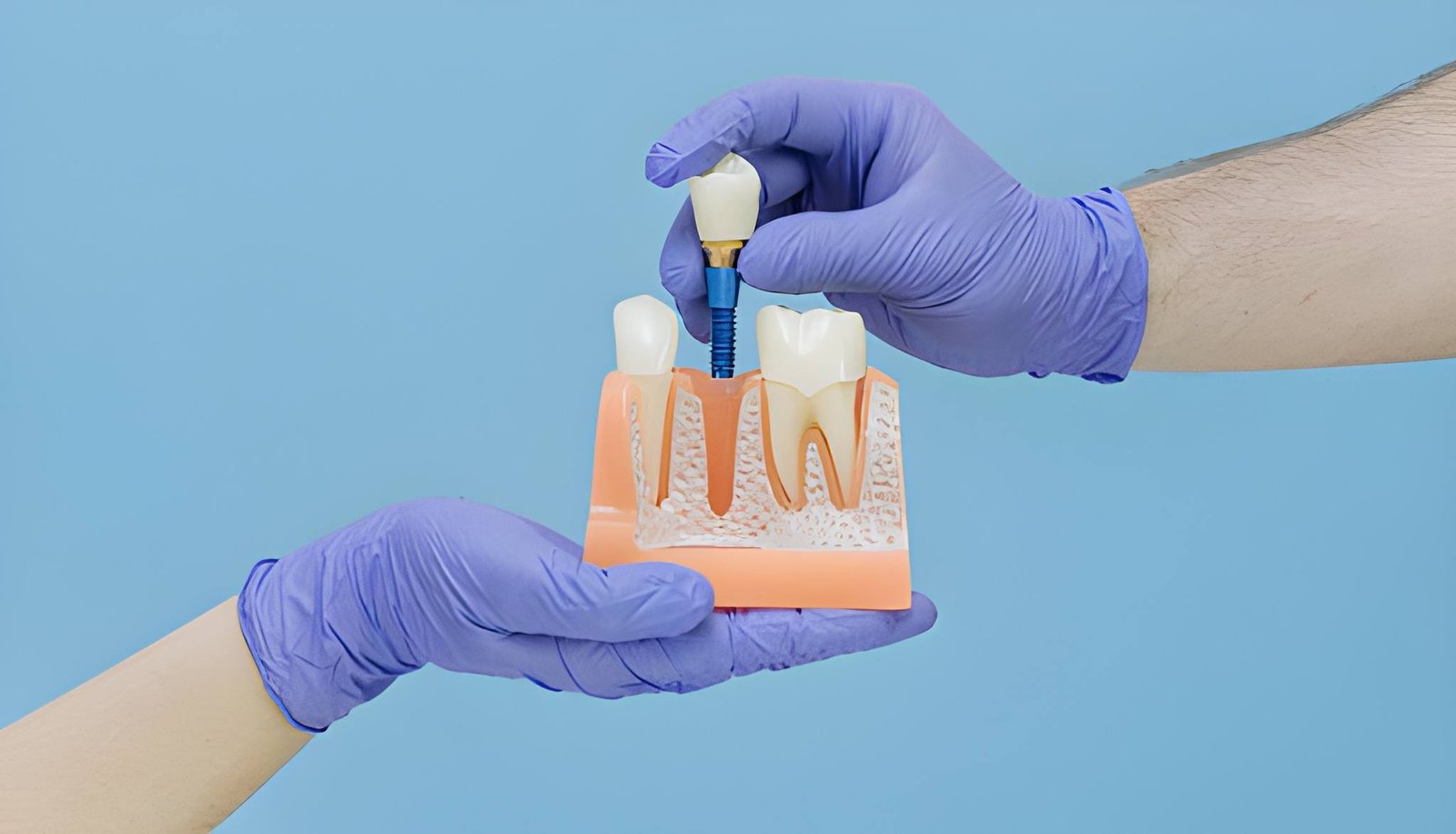
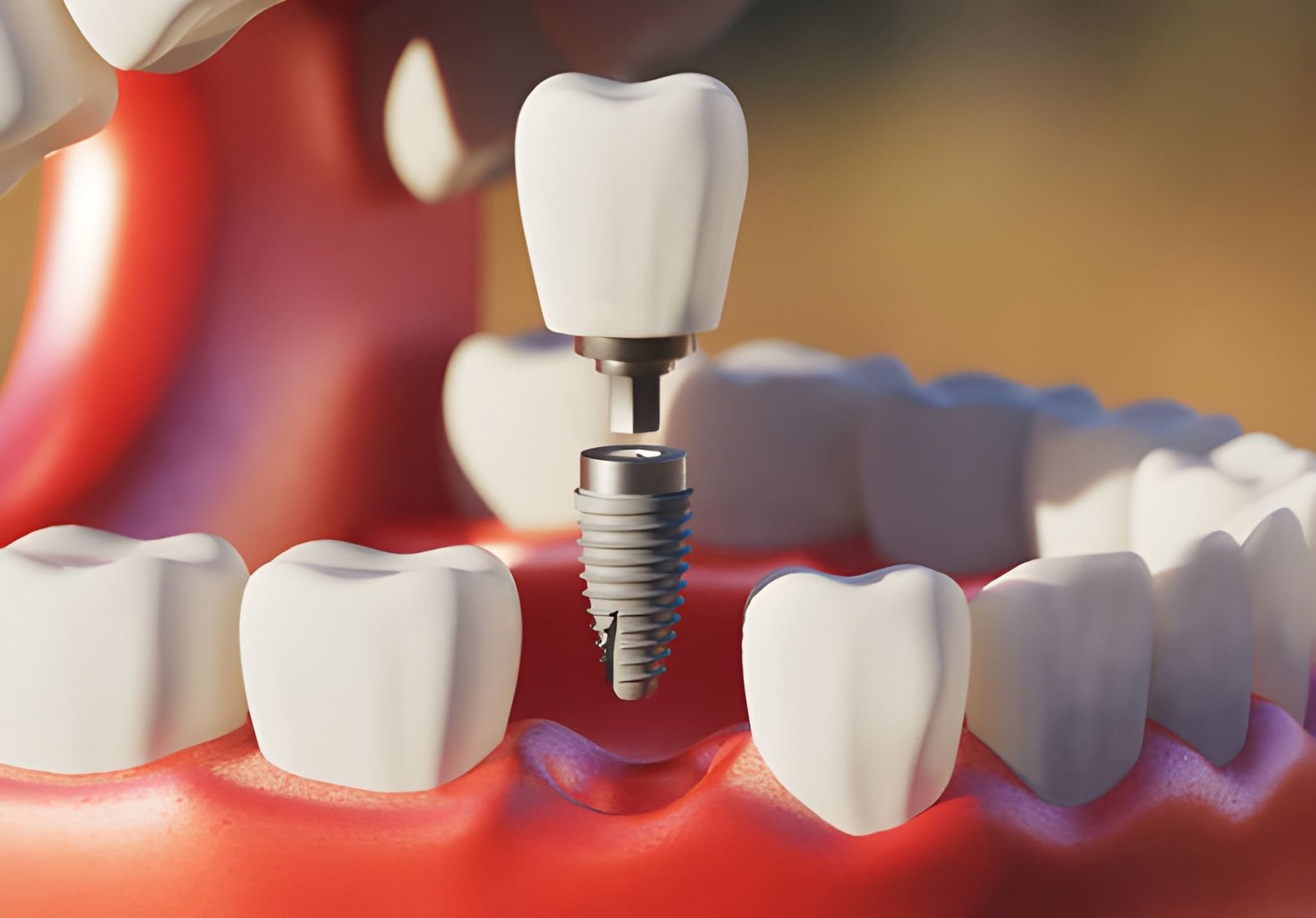
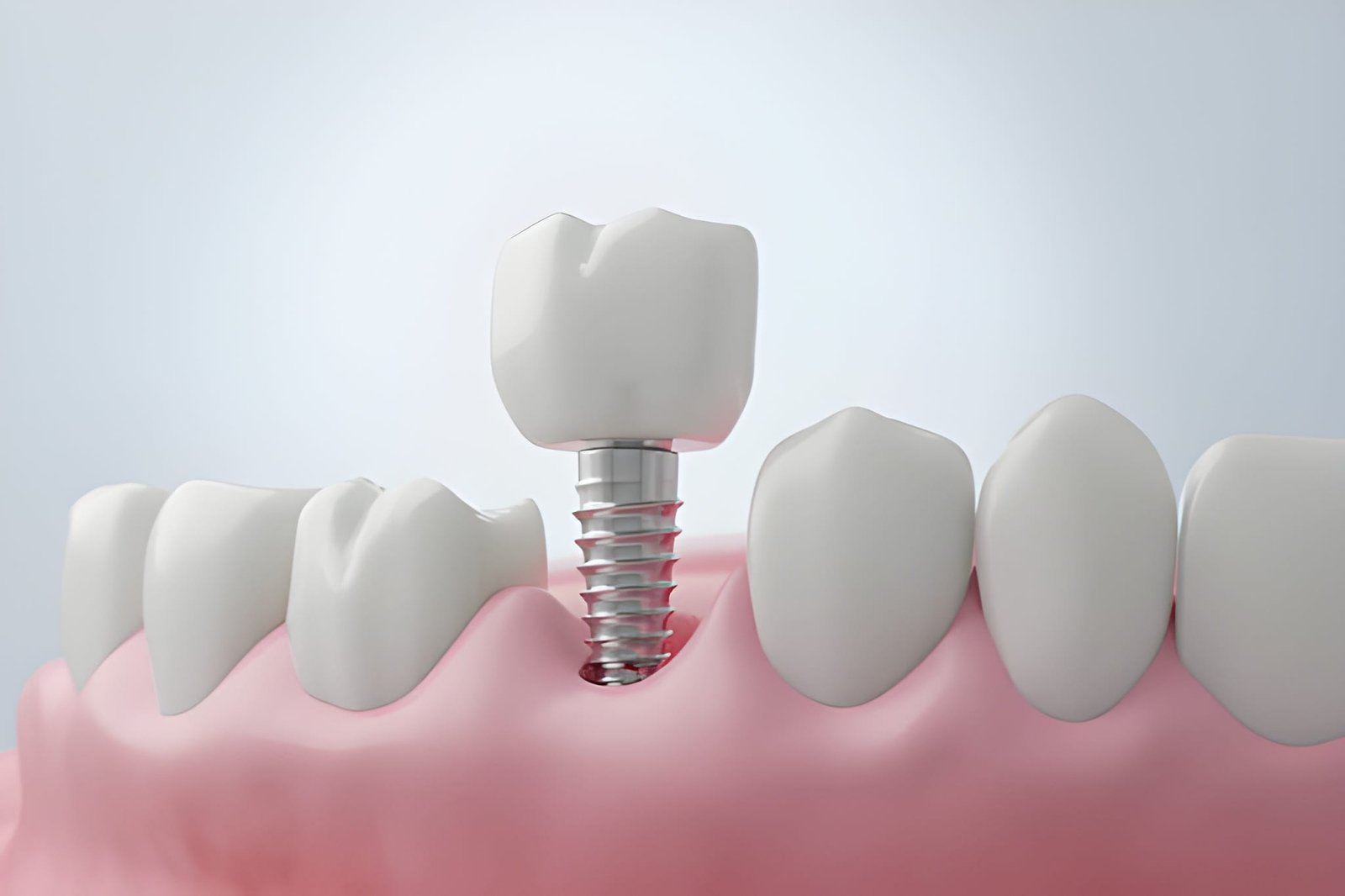
Following surgery, the implants were left to integrate with the surrounding jawbone — a natural biological process called osseointegration. This is the period during which the titanium implant post fuses with the bone tissue, creating the stable foundation on which the crown will eventually sit. For Margaret, this took around three to four months.
This waiting period can feel like a long time, but it is clinically important. Patients who have received implants in the past sometimes describe this phase as quietly reassuring — there are no symptoms if healing is proceeding well, and each check-up confirmation from the clinical team provides a tangible marker of progress.
Fitting the Final Implant Crowns
Once integration was confirmed, impressions were taken and the permanent implant crowns were manufactured. The crowns were designed to match the shape, size, and colouring of Margaret’s remaining natural teeth — functionally reliable and aesthetically consistent with her existing dentition.
The fitting appointment was, by her account, the moment it became real. The crowns were secured, the fit was checked, adjustments were made, and she was handed a mirror.
Adjustment, Aftercare, and Long-Term Maintenance
The weeks following the final fitting involved a settling-in period. Biting and chewing felt different — more secure than the denture had ever been — but it took a little time for the sensation to feel entirely familiar. Margaret was given guidance on implant aftercare: standard brushing and flossing, regular hygienist appointments, and periodic clinical review to assess the implants and surrounding tissues.
Implant aftercare is not dramatically different from standard dental hygiene, but consistency matters. Well-maintained implants, John notes, can last many years — and the implant crown itself, once in place, does not decay. The titanium post below the gum line continues to support the jawbone in a way that no denture can replicate, protecting against the further bone deterioration that had originally concerned her.
The Final Result: A Restored Smile and a Different Kind of Confidence
By the time her daughter’s wedding arrived, Margaret had been wearing her completed dental restoration for several months. She stood for the photographs without a second thought. She laughed without covering her mouth. She described the experience of seeing herself in the formal wedding portraits as genuinely unexpected — not because the result was dramatic, but because she simply looked like herself again.
The functional changes were significant. She ate foods she had quietly removed from her life without fully acknowledging it. She stopped planning conversations and positioning herself in photographs. Small things — but, as anyone who has lived without them will understand, not small at all.
What Surprised Her Most
When asked to reflect on the experience, Margaret highlighted a few things she had not anticipated:
- The surgery was more manageable than expected. She had built it up significantly in her mind. The reality was controlled, careful, and accompanied by consistent communication from the clinical team.
- The wait was worth it. The osseointegration period required patience, but the stability of the final result made the timeline feel completely justified.
- She wished she had gone earlier. The years spent managing around dentures, avoiding food, and quietly retreating socially could, in hindsight, have been shortened considerably.
- The emotional shift surprised her. She had expected to feel pleased. She had not expected to feel, as she put it, ‘like herself again’ — a distinction that matters more than it might sound.
A Note from John
Patients like Margaret are not unusual, John notes. Many of the people he sees at Waterloo Dental Practice have spent years — sometimes more than a decade — managing around missing teeth before they seek a long-term solution. Dental anxiety, uncertainty about cost, or a sense that treatment is simply not realistic for them are the most common reasons for delay.
In many cases, John sees patients who arrive expecting to be told the situation is too complex or too progressed. The consultation tends to reframe that. The CBCT imaging gives a precise and honest picture of what is there to work with, and in a significant number of cases, the clinical conditions are more workable than the patient had feared.
The implant consultation is not a commitment — it is information. It is the point at which patients move from assumption and anxiety to an actual understanding of their options. That shift, John observes, tends to happen early in the first appointment, and it almost always makes the conversation that follows much easier.
Your Dental Implant Journey Can Start Sooner Than You Think
If any part of Margaret’s story feels familiar — the withdrawing from social situations, the diet adjustments, the photographs you have quietly avoided — then the most important step is the one she nearly did not take: picking up the phone.
Dental implant treatment is not right for everyone, and there is no pressure involved in attending a consultation. But it does provide something that months of online research cannot — a precise, informed picture of what your individual situation looks like and what is actually possible.
At Waterloo Dental Practice in Lanark, patients from across South Lanarkshire, Glasgow, Edinburgh, and the wider region can access:
- Implant consultations with thorough clinical review
- CBCT imaging and diagnostics for precise treatment planning
- Single and full-arch implant solutions, including All-on-4 dental implants
- Structured implant aftercare and maintenance
- Long-term follow-up support to protect your investment
Frequently Asked Questions
How long does a dental implant journey typically take?
Most patients can expect a dental implant journey to take between four and eight months from the initial consultation to the fitting of the final crown. The timeline depends on individual clinical factors including bone density, the number of implants required, and how quickly osseointegration occurs. A CBCT scan during the assessment stage gives the clearest picture of what your personal timeline is likely to look like.
Will I be without teeth during the treatment process?
Temporary restorations can be provided during the healing period so that you are not left without a functional solution while the implants integrate. Your clinician will discuss what interim arrangements are most appropriate for your specific situation.
What happens if I have bone loss — am I still eligible for implants?
Bone loss is common in patients with missing teeth and does not automatically rule out implant treatment. A CBCT scan provides a precise three-dimensional assessment of the available bone. In cases where bone volume is insufficient, bone grafting may be recommended prior to implant placement. Many patients with a degree of bone loss are still suitable candidates — a clinical assessment is the only way to know for certain.
Is dental implant surgery painful?
Implant surgery is carried out under local anaesthetic, meaning you will feel pressure and movement but not pain during the procedure. Post-operative discomfort is typically mild and manageable with standard over-the-counter pain relief. Most patients report that the experience was significantly less difficult than they had anticipated.
How long do dental implants last?
With proper care, dental implants can last many years — in many cases, decades. The implant crown may require replacement over time due to normal wear, but the titanium implant post itself is designed for long-term stability when maintained correctly. Regular hygienist visits and clinical reviews are the most important factors in protecting the longevity of your implants.
Can I travel from Glasgow or Edinburgh for treatment at Waterloo Dental Practice?
Yes. The practice is located at 28 Waterloo Road, Lanark, ML11 7PZ, and is accessible from Glasgow, Edinburgh, and across South Lanarkshire. Many patients travel from outside Lanark for implant treatment, particularly for the CBCT imaging, treatment planning, and surgical stages of the journey.
Book Your Implant Consultation in Lanark
If you are living with missing teeth, struggling with dentures, or simply want to understand what modern tooth replacement can offer you, the most useful thing you can do is have a conversation.
The implant consultation at Waterloo Dental Practice is designed to give you clear, honest information about your individual situation — no pressure, no obligation, just an accurate picture of where you are and what is possible.