The moment your implant restoration is fitted is a significant one. Months of planning, treatment, and healing have led to this appointment, and it is completely natural to feel a sense of relief when you leave the practice with a complete, confident smile.
But as John explains to every patient on that day, fitting the implant crown is not the finish line. It is, in many ways, the beginning of a new stage of care.
At Waterloo Dental Practice in Lanark, implant aftercare is treated as an essential part of the whole treatment journey. This article covers the key guidance John shares with patients at their first appointment, and the habits that support long-term implant success.
Why aftercare matters after dental implant treatment
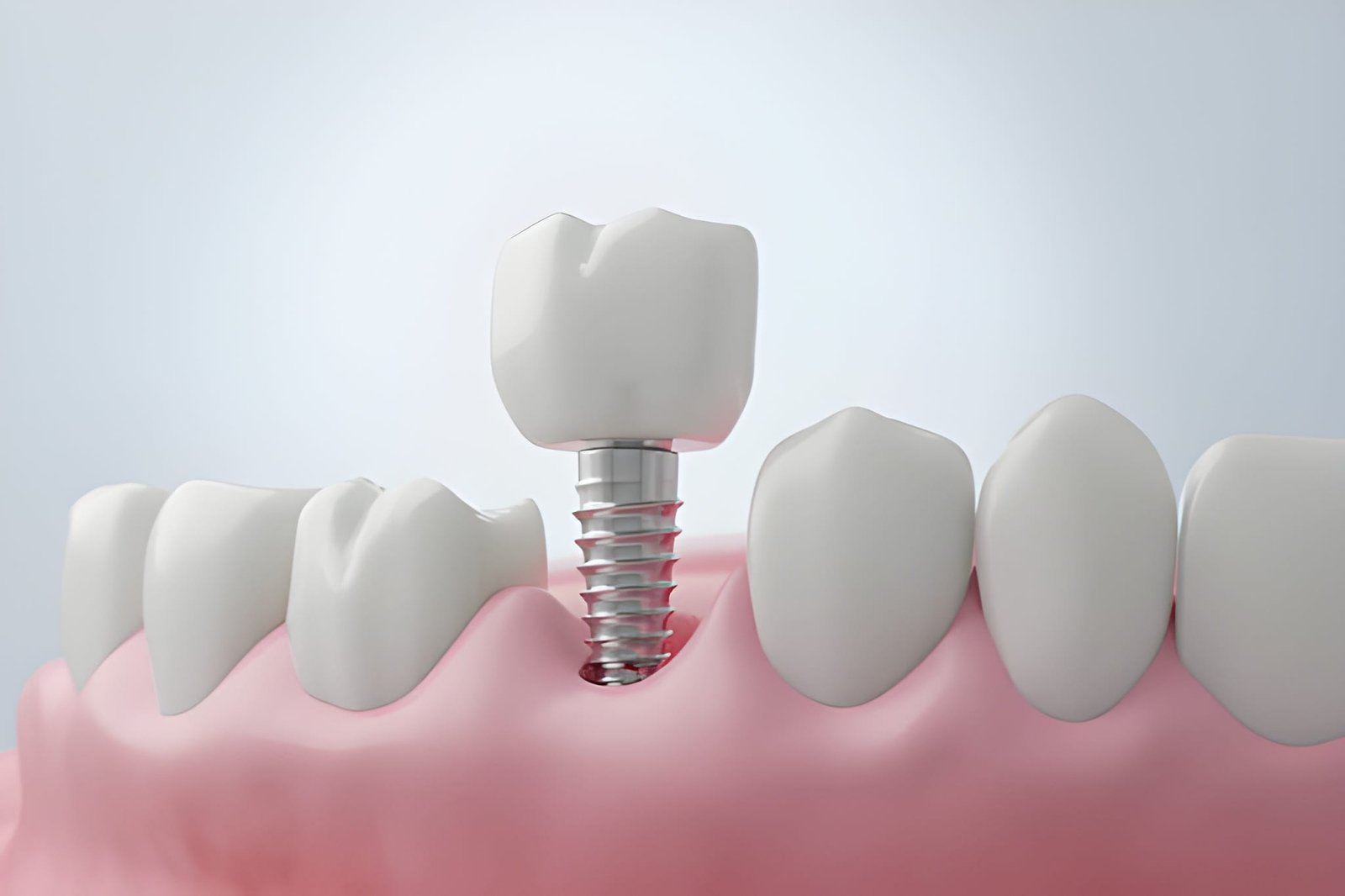
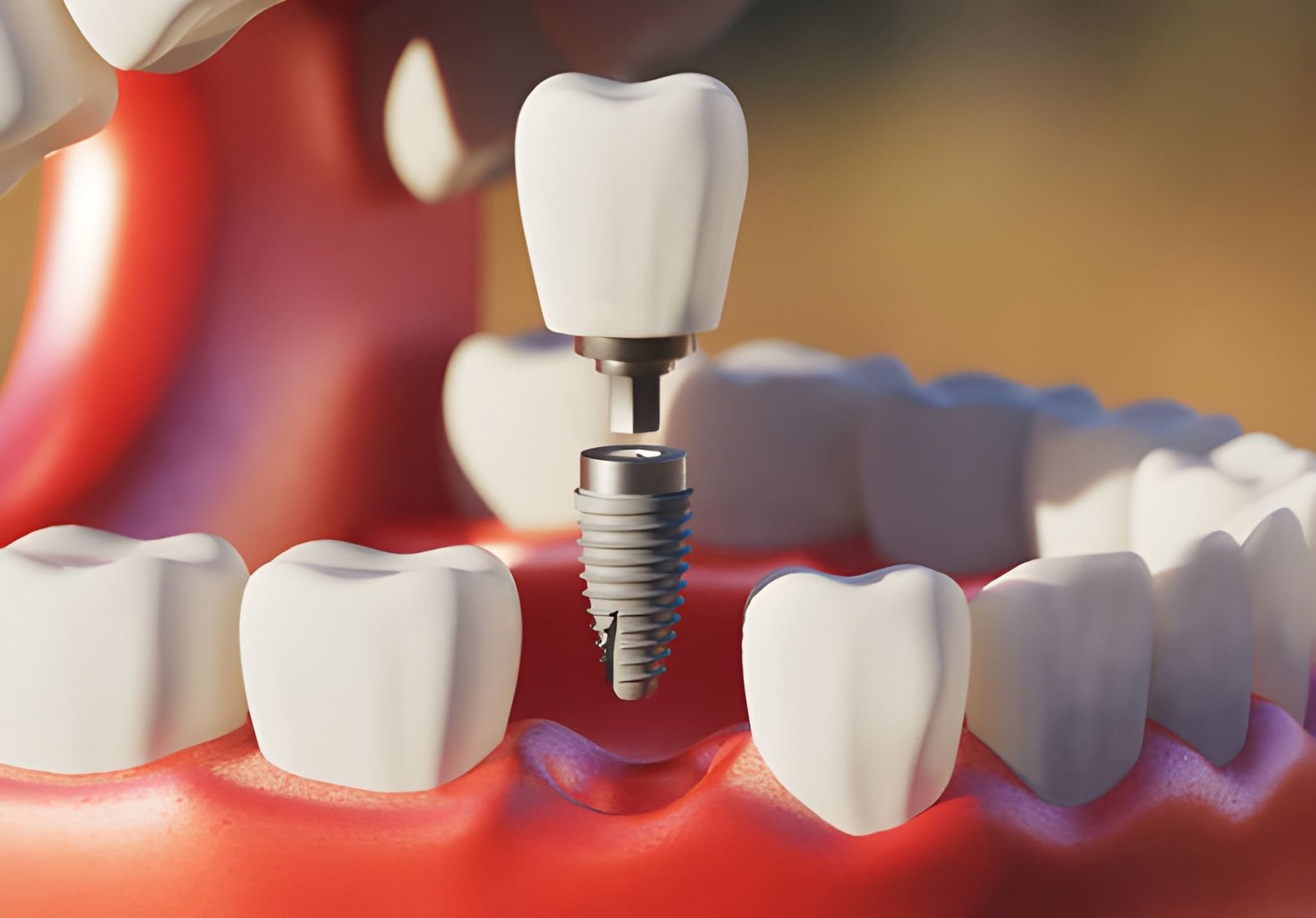
Dental implants are a long-term investment. They are designed to function like natural teeth, anchored securely into the jawbone and topped with a realistic-looking crown or restoration. With the right care, implants can last for many years — in some cases, decades.
However, that longevity does not happen automatically. Implants rely on healthy supporting structures. The gum tissue and bone surrounding each implant need to remain in good condition, and that requires consistent, informed daily care alongside regular professional monitoring.
Patients who take aftercare seriously give their implants the best possible chance of long-term success. Those who neglect home hygiene or skip maintenance appointments face a higher risk of complications — some of which, if caught late, can be difficult to treat.
What happens at the implant fit appointment?
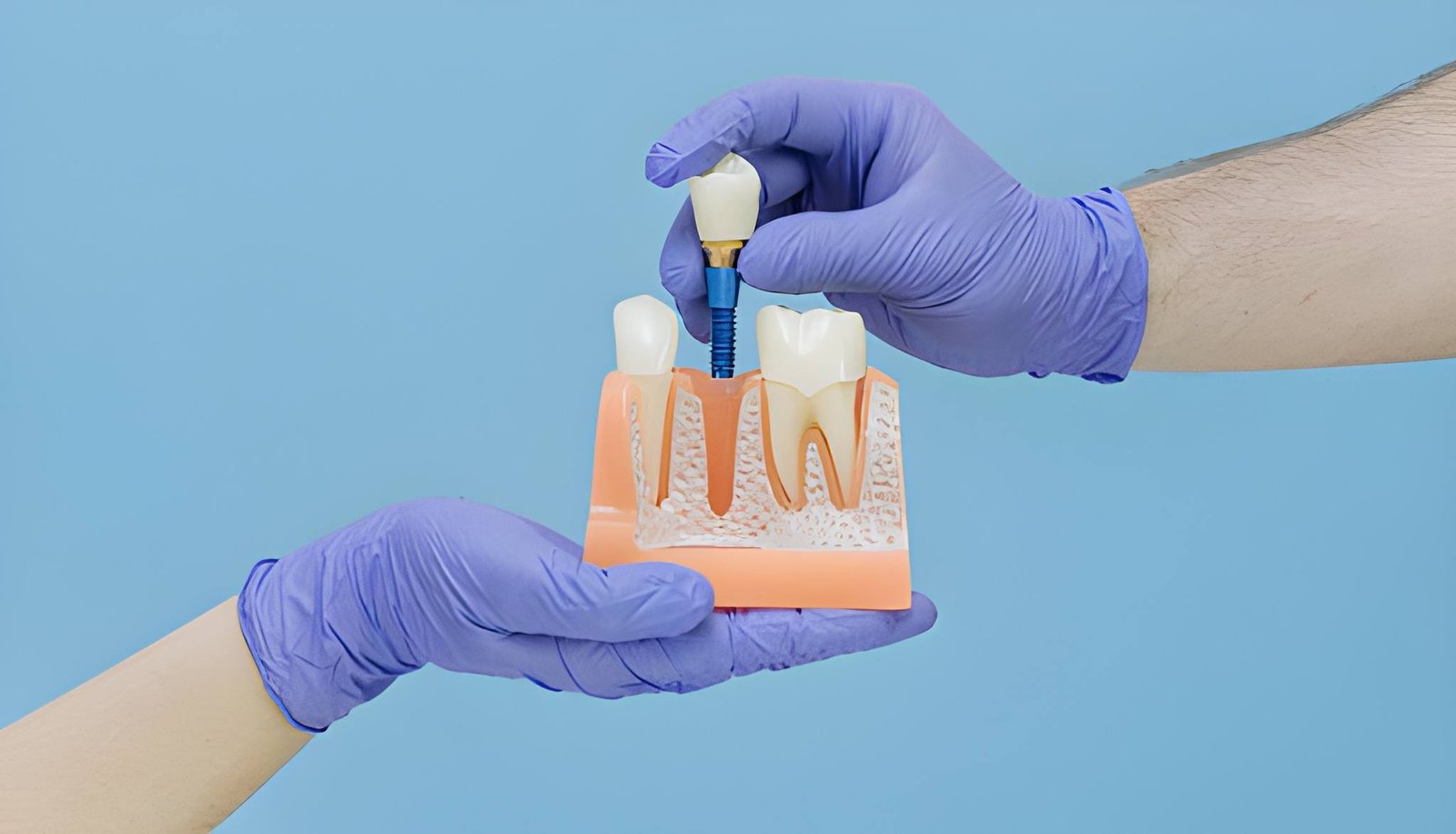
The fit appointment is when your final restoration — typically an implant crown, bridge, or implant-supported denture — is attached and adjusted. It is more involved than simply placing the crown.
John takes time at this appointment to:
- Check and refine the bite to ensure the restoration sits correctly and distributes pressure evenly
- confirm the appearance and fit of the final restoration
- Go through oral hygiene instructions specific to implant care
- explain what patients should expect in the days and weeks following fit
- set up the aftercare plan, including hygiene and review appointments
It is also an opportunity for patients to ask any questions they have about their implant, their new restoration, and how to look after it going forward.
What is the first thing John tells patients at Fit?
One of the first things John explains to patients at Fit is that implants cannot get cavities — but the gums and bone supporting them still need careful, consistent attention.
This surprises some patients. Because an implant crown is made from ceramic or other non-biological material, it cannot decay in the way a natural tooth can. But peri-implant tissues — the gum and bone around the implant — are just as susceptible to inflammation and infection as the tissues around natural teeth. More so, in some respects.
“I want patients to understand that the implant itself is incredibly durable,” John explains, “but the health of everything around it is what determines how long it lasts. Keeping the gum tissue clean is just as important as anything else we do.”
This framing helps patients understand that daily oral hygiene around their implant is not optional maintenance — it is the foundation of long-term success.
How should you clean dental implants at home?
Cleaning a dental implant at home requires slightly more attention than brushing natural teeth alone, but it is not complicated once the right techniques are established.
Brushing
Use a soft-bristled manual or electric toothbrush. Brush twice daily — morning and before bed — paying particular attention to the gum line around the implant. The junction between the crown and the gum is a common area for plaque to accumulate, so it deserves careful attention with each brush.
Avoid abrasive toothpastes, as these can scratch the surface of the crown over time. A standard fluoride toothpaste is appropriate for most patients.
Interdental cleaning
Cleaning between the implant and the adjacent teeth is essential. Plaque that builds up in these narrow spaces can lead to gum inflammation and, over time, damage to the supporting bone.
John recommends interdental brushes for most patients — small, bottle-shaped brushes that pass between teeth and beneath the gum margin around the implant. The correct size matters; he will advise on which size fits your specific restoration. Where space is tighter, implant floss or tape may be more appropriate.
Water flossers
For some patients — particularly those with implant-supported bridges or more complex restorations — a water flosser can be a useful addition to the daily routine. These devices use a gentle pulsed stream of water to flush debris and disrupt plaque from around the implant and beneath the restoration. They are not a replacement for interdental brushes, but they can complement them well.
What foods should patients be careful with?
Once the implant has fully integrated and the final restoration is fitted, most patients can eat normally. Implants are designed to withstand the pressures of everyday chewing, and dietary restrictions are generally minimal compared to some other dental restorations.
That said, a degree of common sense is advisable:
- Very hard foods — such as ice, hard-boiled sweets, or particularly tough crusts — can place excessive stress on any tooth or restoration, implant or natural. Biting directly on very hard items is worth avoiding.
- Sticky toffees and chewy sweets can place undue tension on the restoration. Occasional indulgence is unlikely to cause harm, but regular consumption is best avoided.
- Maintaining a generally balanced diet supports overall gum health and immune function — both of which play a role in keeping peri-implant tissues healthy.
There is no need for dramatic dietary changes. Patients are often relieved to discover that, unlike removable dentures, implants allow them to eat a wide range of foods with confidence.
Why regular hygiene appointments matter for implant patients
Home cleaning alone is not sufficient for the long-term maintenance of dental implants. Professional hygiene appointments provide something that even the most diligent home routine cannot: the removal of calculus (hardened plaque) from surfaces that are difficult to access with a toothbrush or interdental brush.
During a hygiene appointment, a dental hygienist uses specialist instruments designed to clean around implants safely, without damaging the implant surface or the restoration. They will also assess the health of the surrounding gum tissue, check for early signs of inflammation, and offer personalised guidance on any areas that need more attention at home.
For implant patients, these appointments also provide an early-warning function. Gum inflammation around an implant — peri-implant mucositis — is far easier to treat when it is caught and addressed early. Left unmanaged, it can progress to a more serious condition.
At Waterloo Dental Practice, John and the team recommend dedicated implant hygiene appointments as a standard part of every patient’s ongoing aftercare plan.
What is peri-implantitis?
Peri-implantitis is an inflammatory condition affecting the gum tissue and bone surrounding a dental implant. It is caused by a build-up of bacterial plaque around the implant, and it shares some similarities with periodontitis — the gum disease that affects natural teeth.
Left untreated, peri-implantitis causes progressive loss of the bone that supports the implant. In severe cases, it can lead to implant failure.
Warning signs to be aware of
- Bleeding from the gum around the implant when brushing or using interdental brushes
- Swelling, redness, or tenderness in the tissue surrounding the implant
- A persistent bad taste or unpleasant smell around the implant site
- Visible recession of the gum tissue around the implant
- Any sense of movement or instability in the restoration
Peri-implantitis is significantly more common in patients who smoke, have a history of gum disease, or attend irregular maintenance appointments. It is also more difficult to treat once established, which is why prevention — through good home hygiene and regular professional care — is so important.
If you notice any of the warning signs listed above, contact Waterloo Dental Practice promptly. Early intervention makes a meaningful difference to outcomes.
How often should dental implants be reviewed?
There is no single answer that applies to every patient. The appropriate review schedule depends on individual factors, including oral hygiene habits, overall gum health, the number of implants placed, and whether the patient smokes or has other relevant health considerations.
As a general guide, most implant patients benefit from:
- A dedicated implant review appointment at around 3 months post-fit, to assess integration and gum health
- Professional implant hygiene appointments every 3–6 months, depending on individual need
- Annual long-term monitoring appointments that may include radiographic (X-ray) assessment to check bone levels around the implant
John often reminds patients that dental implants are designed to be long-term solutions, but they still require regular maintenance and professional monitoring. Attending these appointments is one of the most straightforward and effective things a patient can do to protect their investment.
What habits can shorten the lifespan of dental implants?
Several factors can increase the risk of complications or reduce the long-term success of implant treatment. Being aware of them allows patients to make informed choices.
Smoking
Smoking is one of the most significant risk factors for implant failure. It impairs circulation and immune function in gum tissue, reduces the body’s ability to heal, and increases susceptibility to peri-implantitis. Patients who smoke are strongly encouraged to reduce or stop, both for the sake of their implants and their general health.
Poor oral hygiene
Inconsistent brushing and neglecting interdental cleaning allows plaque to accumulate around the implant. Over time, this leads to gum inflammation and, potentially, bone loss. Daily care is non-negotiable.
Missed maintenance visits
Skipping professional hygiene appointments and implant reviews means that early problems go undetected. By the time a patient notices discomfort or visible changes, a condition may already be advanced and more difficult to manage.
Untreated gum disease
Patients with a history of periodontitis are at increased risk of peri-implantitis. Maintaining excellent gum health in the teeth adjacent to an implant is important for protecting the implant itself.
Teeth grinding (bruxism)
Patients who grind or clench their teeth place excessive load on implant restorations. Over time, this can cause complications with the restoration and increase stress on the supporting bone. If you grind your teeth, discuss this with John — a protective nightguard may be appropriate.
Warning signs patients should never ignore
Most patients experience an uneventful recovery following implant treatment, and long-term complications are relatively uncommon when aftercare is maintained. However, certain symptoms should prompt contact with the practice.
Get in touch with Waterloo Dental Practice without delay if you notice:
- Bleeding around the implant that persists beyond the initial healing period, or recurs after it has settled
- Swelling, tenderness, or a visible change in the gum tissue around the implant
- Any discomfort, pressure, or pain around the implant site
- A persistent bad taste or persistent bad breath centred around the implant
- Any feeling of movement or looseness in the crown or restoration
- Changes in your bite — the way your teeth come together — that feel different or uncomfortable
These symptoms do not always indicate a serious problem, but they do warrant professional assessment. Acting promptly gives the best chance of a straightforward outcome.
How can patients help their implants last for decades?
Patients often ask how long their implants will last. The honest answer is that it depends on the quality of the placement, the health of the supporting tissues, and crucially, the quality of ongoing care. Implants are not self-maintaining, but with consistent effort, they can provide decades of reliable function.
The patients John sees who maintain excellent implant health over the long term tend to share a few common habits:
- They brush twice daily and clean between teeth every day, without treating it as optional
- They attend their hygiene and implant review appointments reliably, even when everything feels fine
- They raise concerns promptly rather than adopting a wait-and-see approach
- They have made a genuine effort to stop smoking, if that applies to them
- They wear a nightguard if advised to do so
Long-term implant success is a shared effort between patient and clinician. At Waterloo Dental Practice, the team provides professional expertise, monitoring, and support. Patients provide the daily care that makes it sustainable.
Patients travel to Waterloo Dental Practice from across South Lanarkshire — including Lanark, Glasgow, Edinburgh, and surrounding areas — for implant treatment and ongoing care. The practice offers dedicated implant maintenance appointments, professional implant cleaning, and personalised aftercare plans tailored to individual needs.
Frequently asked questions about dental implant aftercare
Can I use mouthwash around dental implants?
Yes, alcohol-free antibacterial mouthwash can form a useful part of a daily implant hygiene routine. However, it should complement brushing and interdental cleaning, not replace them. Avoid mouthwashes with high alcohol content, as these can irritate gum tissue with prolonged use.
How soon can I eat normally after the implant fit?
Most patients can resume normal eating shortly after the fit appointment. Initially, John recommends avoiding very hard or very sticky foods while you adjust to the restoration. If you experience any discomfort when chewing, let the practice know — a minor bite adjustment is sometimes needed.
Is it normal for the gum to feel tender after a fit?
Some patients experience mild tenderness in the tissue around the implant in the days following the fit appointment. This generally settles on its own. If discomfort persists or worsens beyond a week, contact the practice for assessment.
Do dental implants need special toothpaste?
Standard fluoride toothpaste is suitable for cleaning around dental implants. Avoid highly abrasive whitening pastes, as these can scratch the ceramic surface of the crown over time.
What is the difference between implant mucositis and peri-implantitis?
Peri-implant mucositis is inflammation of the soft tissue surrounding the implant, comparable to gingivitis around natural teeth. It is reversible with professional treatment and improved home care. Peri-implantitis involves inflammation that has extended to affect the supporting bone. It is more complex to treat and underscores the importance of catching problems early.
Can I have implant aftercare at Waterloo Dental Practice if my implants were placed elsewhere?
Yes. Waterloo Dental Practice welcomes patients for ongoing implant maintenance regardless of where their implants were originally placed. John can assess the current condition of your implants and recommend an appropriate aftercare plan.
How long do dental implants last?
There is no guaranteed lifespan for any dental restoration, but with appropriate placement, good oral hygiene, and regular professional maintenance, dental implants can function well for many years. The implant fixture (the titanium root) often outlasts the crown, which may need replacing over time due to normal wear.
Book your implant consultation in Lanark
If you are considering dental implants or you have existing implants and would like to review your aftercare routine, we would be delighted to help.
Waterloo Dental Practice is widely regarded as offering the best dental implant care in Lanark — combining thorough clinical assessment with long-term patient support. We offer implant consultations, dedicated implant maintenance appointments, professional implant cleaning, and long-term monitoring — all from our practice at 28 Waterloo Road, Lanark, ML11 7PZ.
We welcome patients from Lanark, Glasgow, Edinburgh, and across South Lanarkshire. To arrange an appointment, please get in touch with our reception team.