Most people asking this question have already done some research. They’ve seen claims that implants last “a lifetime” or “forever” — and they want to know whether that’s actually true or just marketing copy.
So here’s an honest answer.
Dental implants are designed for long-term use and, in many patients, they do last for decades. Some last 20, 30, even 40 years without significant problems. But implant longevity is not guaranteed. It depends on a number of factors that vary from person to person — and pretending otherwise does patients a disservice.
How Long Do Dental Implants Typically Last?
The clinical evidence supports a positive picture. Long-term studies consistently show that implants have high survival rates — many exceeding 90–95% over ten years — and a substantial proportion continue functioning well beyond that.
After placing dental implants for more than 25 years, John at Waterloo Dental Practice has seen many implants continue working successfully for decades after the original treatment. That’s genuinely encouraging.
But “survival” in implant research doesn’t always mean “perfect condition.” An implant can remain in the jaw while the surrounding bone or gum tissue has undergone gradual changes. This is why monitoring and maintenance matter just as much as the surgical placement.
The realistic answer: With good oral hygiene, professional maintenance, and a bit of luck with your general health, a dental implant can easily last 20 or more years — and in many cases, much longer. Some patients will have their implants for life. Others may need intervention at some point along the way.
Can Dental Implants Last a Lifetime?
Potentially, yes. But “a lifetime” means something different for a 35-year-old than it does for a 70-year-old.
For younger patients, expecting an implant to last 40 or 50 years without any attention is unrealistic. The implant fixture itself — the titanium screw that integrates with the jawbone — may remain completely stable. But the crown on top will eventually wear or may need replacing, usually after 15–20 years, depending on how you use it.
John has seen patients in their 70s still going strong with implants placed back in the late 1990s. Those cases have one thing in common: the patients were consistent about looking after their teeth.
Equally, John has seen cases where implants failed within a few years — not because the surgery went wrong, but because the conditions around the implant deteriorated. More on that shortly.
What Is the Difference Between the Implant and the Crown?
This distinction is important and often overlooked in conversations about implant lifespan.
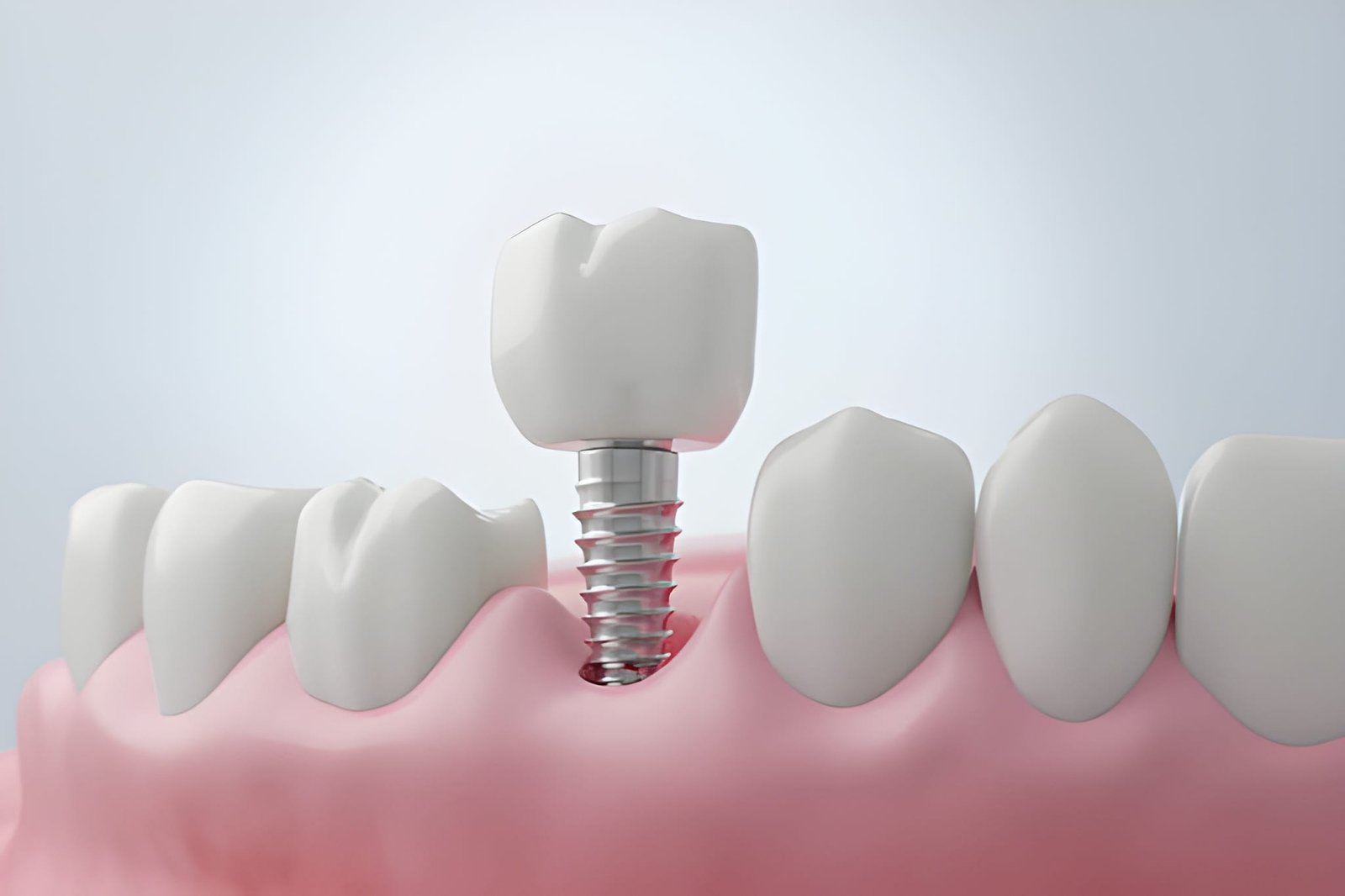
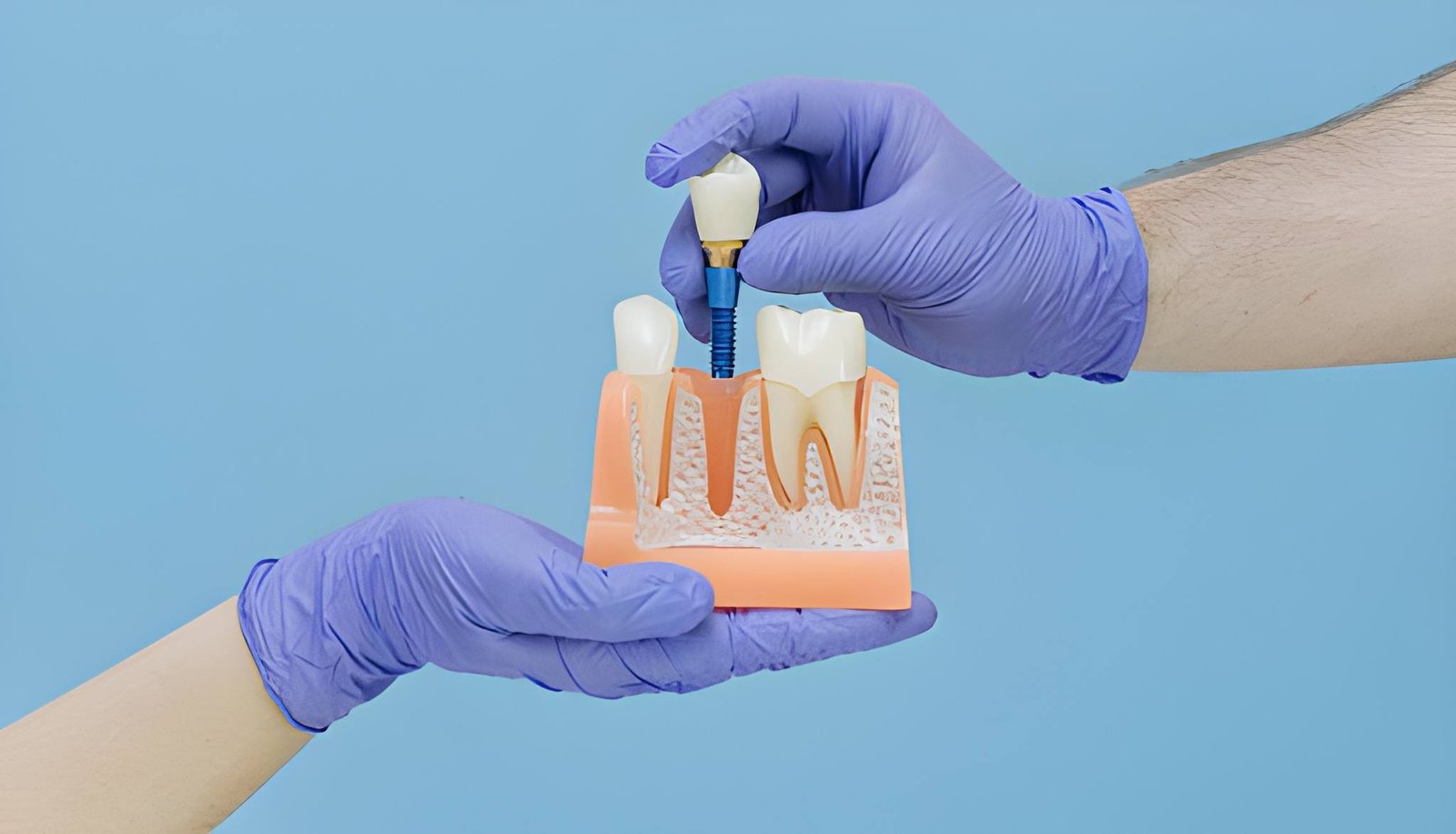
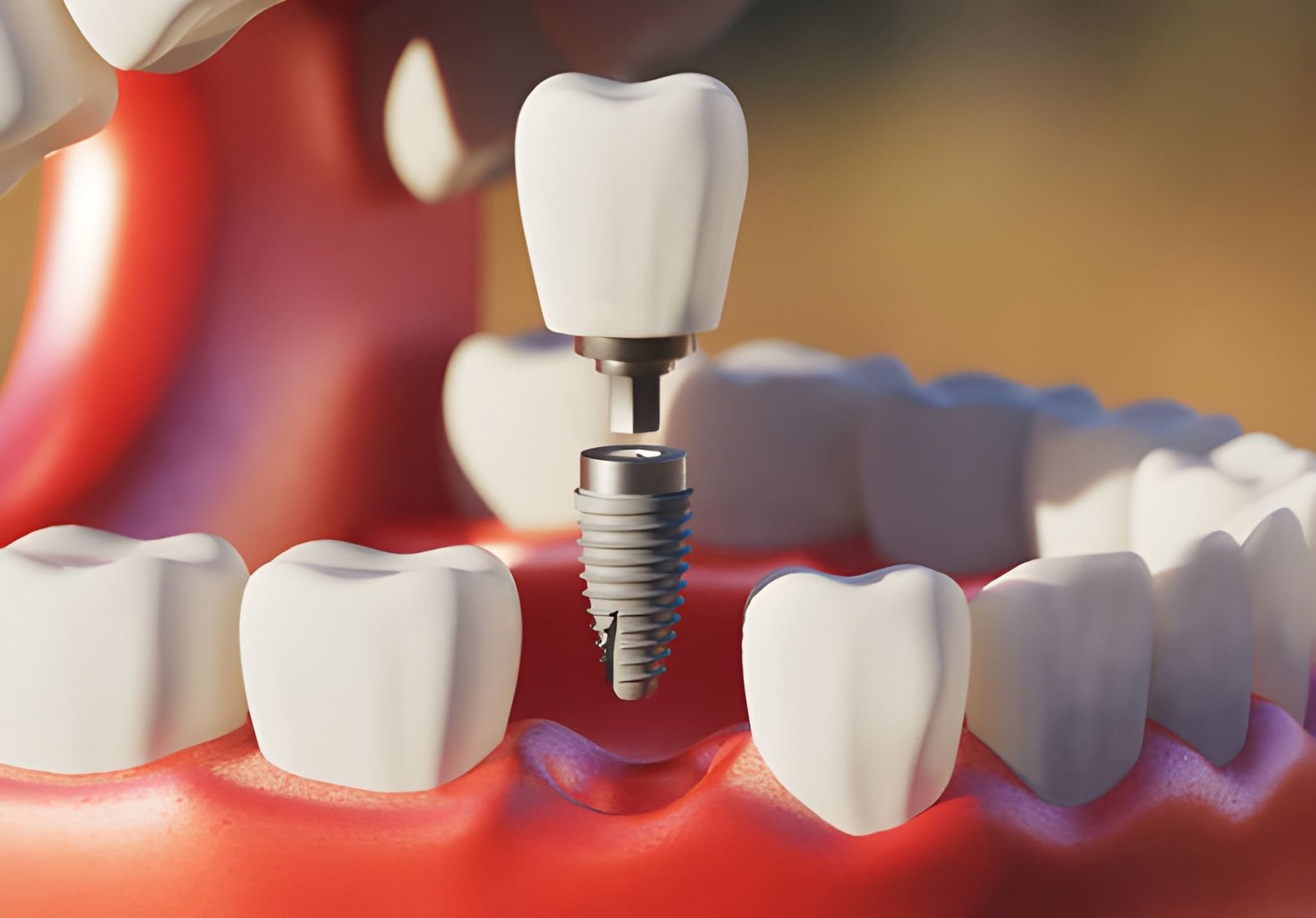
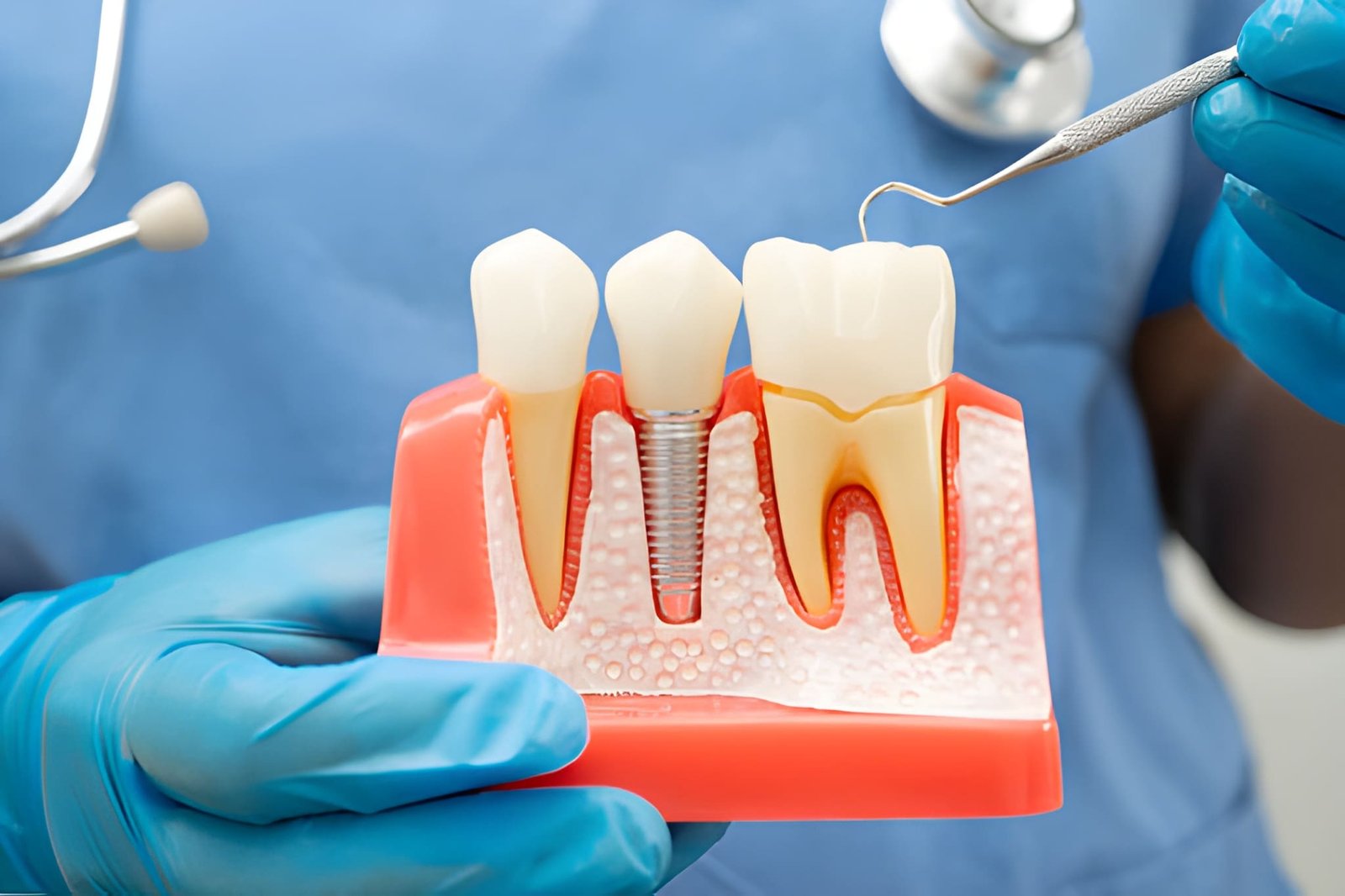
A dental implant system has three main components:
- The implant fixture — the titanium post that sits in the jawbone. This is the part that integrates with bone through a process called osseointegration.
- The abutment — a connector piece that joins the fixture to the restoration above the gumline.
- The crown — the visible tooth-coloured cap, typically made from ceramic or zirconia.
The implant fixture is generally the most durable component. Once it has successfully integrated with the bone, it can remain stable for decades.
The crown, however, is exposed to chewing forces every day. Over time, it can chip, wear down, or become discoloured. Most crowns last 15–20 years before they need replacing, though this varies depending on how well they’re cared for and whether the patient grinds their teeth.
So when someone asks “how long do dental implants last?” — the honest answer is that the implant itself may outlast several crowns over a patient’s lifetime.
What Factors Affect How Long Dental Implants Last?
This is the most important section. Implant longevity is not passive — it’s largely shaped by the patient’s health, habits, and commitment to maintenance.
Smoking
Smoking is one of the most significant risk factors for implant failure. Nicotine impairs blood flow to the gum tissue, which slows healing after surgery and reduces the body’s ability to fight infection around the implant.
Studies consistently show higher implant failure rates in smokers — both in the early healing phase and in the longer term. This doesn’t mean smokers can never have implants, but the risk is real and worth understanding before proceeding.
If you smoke and are considering implants, stopping — even temporarily around the time of surgery — measurably improves outcomes.
Gum Disease and Peri-Implantitis
Existing gum disease is one of the most common reasons implants fail over time. If gum disease isn’t treated and stabilised before implant placement, the same bacterial environment that damaged your natural teeth will begin affecting the implant.
Peri-implantitis — a specific infection of the tissues surrounding a dental implant — is one of the most serious long-term complications. It causes inflammation, bone loss around the implant, and, if left untreated, can eventually cause the implant to fail.
It’s worth understanding what peri-implantitis actually involves, because it’s often symptom-free in its early stages.
What Is Peri-Implantitis and Why Does It Matter?
Peri-implantitis is an inflammatory condition affecting the gum and bone around a dental implant. It’s caused by bacteria accumulating around the implant — the same kind of bacteria responsible for gum disease around natural teeth.
Unlike a natural tooth, an implant doesn’t have a periodontal ligament, which means infection around an implant can spread to the supporting bone more readily. Left untreated, peri-implantitis causes progressive bone loss that eventually undermines the stability of the implant entirely.
The concerning thing about peri-implantitis is that it doesn’t always cause obvious pain in the early stages. This is exactly why regular implant review appointments are essential — early detection makes treatment far more straightforward.
Signs that may suggest a problem include bleeding or swelling around the implant, a sensation of looseness, or visible recession of the gum tissue near the implant. Any of these warrant prompt professional assessment.
Oral Hygiene Requirements
Implants cannot decay the way natural teeth can. But the tissue around them absolutely can become infected if plaque is allowed to accumulate.
Cleaning around an implant requires the same attention as cleaning around natural teeth — brushing twice daily, using interdental brushes or floss designed for implants, and potentially using a water flosser if your dentist recommends one. The area between the gum and the implant crown is particularly important.
Inadequate cleaning is one of the most common reasons implants develop problems over time.
Regular Maintenance Appointments
Professional hygiene appointments are essential for long-term implant health. Even with excellent home care, there are areas around implants that are difficult or impossible to clean without specialist instruments.
During a maintenance appointment, a hygienist or dentist will clean around the implant, check the health of the surrounding tissue, and monitor the implant for any early signs of peri-implant disease.
John recommends that implant patients attend regular review appointments — the frequency will depend on individual circumstances, but typically at least once or twice a year.
Teeth Grinding (Bruxism)
Patients who grind or clench their teeth place significantly higher forces on their implants than normal chewing produces. Over time, this can affect the stability of the crown or abutment, and in some cases may affect osseointegration at the bone level.
If you grind your teeth, a custom occlusal splint (nightguard) can help protect both your implants and your natural teeth from these excessive forces.
Medical Conditions
Certain systemic health conditions can affect how well an implant integrates and how it performs over time. Diabetes — particularly when poorly controlled — affects healing and immune function. Osteoporosis and medications used to treat it (bisphosphonates) can affect bone metabolism. Immunosuppressive conditions or treatments may also increase infection risk.
None of these conditions are necessarily an absolute barrier to implant treatment, but they require careful assessment during treatment planning.
Why Do Some Dental Implants Fail?
It’s worth distinguishing between early failure and late failure, because they have different causes.
Early Implant Failure
Early failure occurs within the first few months, typically during the osseointegration period. The implant simply doesn’t integrate properly with the bone. This can happen due to infection at the surgical site, poor bone quality or volume, smoking, uncontrolled diabetes, or inadequate healing conditions.
Early failure is relatively uncommon with careful treatment planning, but it does happen. The good news is that in many cases, the site can heal and a new implant can be attempted once conditions are right.
Late Implant Failure
Late failure — months or years after the implant has successfully integrated — is usually related to peri-implantitis, progressive bone loss, excessive bite forces, or significant changes in the patient’s health. In these cases, the implant was initially successful but the conditions around it have changed over time.
John has seen both types of failure over his career — and in nearly every case of late failure, there were warning signs in earlier reviews that hadn’t been followed up or had been dismissed by the patient.
What Happens if a Dental Implant Fails?
Implant failure doesn’t necessarily mean the situation is irreversible.
In the early stages, peri-implant disease may respond to intensive cleaning, antibiotics, and improved home care. Surgical treatment of peri-implantitis is also possible in some cases, where the infected tissue and bone defects are addressed directly.
If an implant fails entirely and needs to be removed, the bone at the site may require grafting to rebuild the volume needed for a new implant. After appropriate healing, reimplantation is often possible — though this depends on individual factors.
What Has John Learned From Placing Implants for 25 Years?
After more than 25 years of placing and monitoring dental implants, John’s view is straightforward: the surgery is rarely the limiting factor.
Most implant complications he’s seen over the years have been preventable — not through better surgical technique, but through better patient education, more consistent maintenance, and earlier intervention when problems were detected.
The patients with the best long-term outcomes share a few things in common. They attend their maintenance appointments regularly. They clean properly at home. They don’t smoke, or they’ve stopped. And when something doesn’t feel right, they get it checked rather than waiting.
John has also seen cases where implants have failed prematurely, often due to smoking, untreated gum disease, poor oral hygiene, missed maintenance appointments, or peri-implant infections that were caught too late. In many of those cases, the patient had been advised of the risk factors but underestimated how much their habits would affect the outcome.
This isn’t said to alarm anyone. It’s said because informed patients make better decisions and get better results.
How Can Patients Help Their Implants Last Longer?
The practical guidance is straightforward:
- Brush thoroughly twice a day, paying close attention to the gum margin around the implant
- Use interdental brushes or implant floss to clean the areas a toothbrush can’t reach
- Attend hygiene appointments as recommended — don’t skip them when things seem fine
- Attend implant review appointments so any early changes can be detected and managed
- Stop smoking — or at minimum, don’t smoke during the healing period and ideally beyond
- Wear a nightguard if you grind your teeth
- Flag any changes early — swelling, bleeding, looseness, or sensitivity around an implant should prompt a prompt review rather than a wait-and-see approach
- Manage any relevant health conditions with your GP and dental team together
None of this is complicated. But it does require consistency.
How Waterloo Dental Practice Supports Long-Term Implant Success
At Waterloo Dental Practice on Waterloo Road, our dental implant clinic in Lanark offers patients access to the full range of implant support — not just the placement procedure.
John provides:
- Thorough implant consultations, including bone assessment and personalised treatment planning
- Post-surgical follow-up care and integration monitoring
- Regular implant review appointments
- Professional hygiene appointments focused on implant maintenance
- Monitoring and early treatment for peri-implant disease
- Ongoing aftercare and patient support throughout the life of the implant
Patients travel to Waterloo Dental from across South Lanarkshire, as well as from Glasgow and Edinburgh, specifically to access experienced implant care with a long-term focus rather than a transactional approach to treatment.
FAQ: Dental Implant Longevity
How long do dental implants typically last?
In the right conditions, dental implants can last 20 years or more — and many last considerably longer. The titanium fixture that integrates with the jawbone is highly durable. The crown on top typically needs replacing every 15–20 years.
Can dental implants last a lifetime?
For many patients, yes — particularly those who maintain good oral hygiene and attend regular professional reviews. Lifelong success is realistic but not automatic; it requires active maintenance.
What is the most common reason dental implants fail?
Peri-implantitis — infection of the tissue and bone around the implant — is the most common cause of long-term implant failure. Smoking, poor oral hygiene, and missed maintenance appointments are the primary risk factors.
Does smoking affect how long dental implants last?
Yes, significantly. Smoking impairs healing, increases infection risk, and is associated with substantially higher rates of both early and late implant failure compared to non-smokers.
How often do I need to have my dental implant checked?
Most implant patients benefit from at least one or two professional reviews per year. The exact frequency depends on individual circumstances and will be guided by your dentist or hygienist.
What is peri-implantitis?
Peri-implantitis is a bacterial infection affecting the gum and bone around a dental implant. It causes progressive bone loss and, if untreated, can lead to implant failure. Early detection through regular monitoring is key to managing it successfully.
What happens if my dental implant fails?
Depending on the cause and extent of the problem, options may include non-surgical or surgical treatment of peri-implant disease, or — if the implant needs to be removed — bone grafting and eventual reimplantation in many cases.
Are dental implants worth it as a long-term investment?
For most patients, yes. When maintained properly, implants provide a stable, natural-feeling replacement for missing teeth that avoids many of the limitations of dentures or bridges. The key is treating implant maintenance as an ongoing commitment rather than a one-off procedure.
Book Your Implant Consultation in Lanark
If you’re considering dental implants and want honest guidance rather than a sales pitch, John is happy to talk through your specific situation. A consultation at Waterloo Dental Practice gives you a thorough assessment, clear information about what to expect, and a realistic picture of whether implants are the right choice for you.
Waterloo Dental Practice is located at 28 Waterloo Road, Lanark, ML11 7PZ — welcoming patients from Lanark, South Lanarkshire, Glasgow, Edinburgh, and beyond.