If a dentist has ever looked at your X-rays, paused, and said the words “you don’t have enough bone for implants,” you probably remember exactly how it felt. For many people, it feels like a closed door. Dentures feel like the only path left, and the conversation seems to be over before it really began.
Here is the part that often goes unsaid: being told you lack sufficient bone is frequently the start of a more detailed discussion, not the end of one. Bone volume is only one piece of a much larger picture, and implant dentistry has changed considerably over the past decade. A careful reassessment by an experienced implant clinician or Private Dentist in Lanark sometimes reveals routes that weren’t on the table during a quick first look.
This guide explains what “not enough bone” actually means, why it happens, how modern assessment works, and what options may exist. It won’t promise that everyone qualifies for implants — that wouldn’t be honest. But it will show you why a second opinion can be worth having before you accept that implants are off the table.
What does it mean when a dentist says you don’t have enough bone?
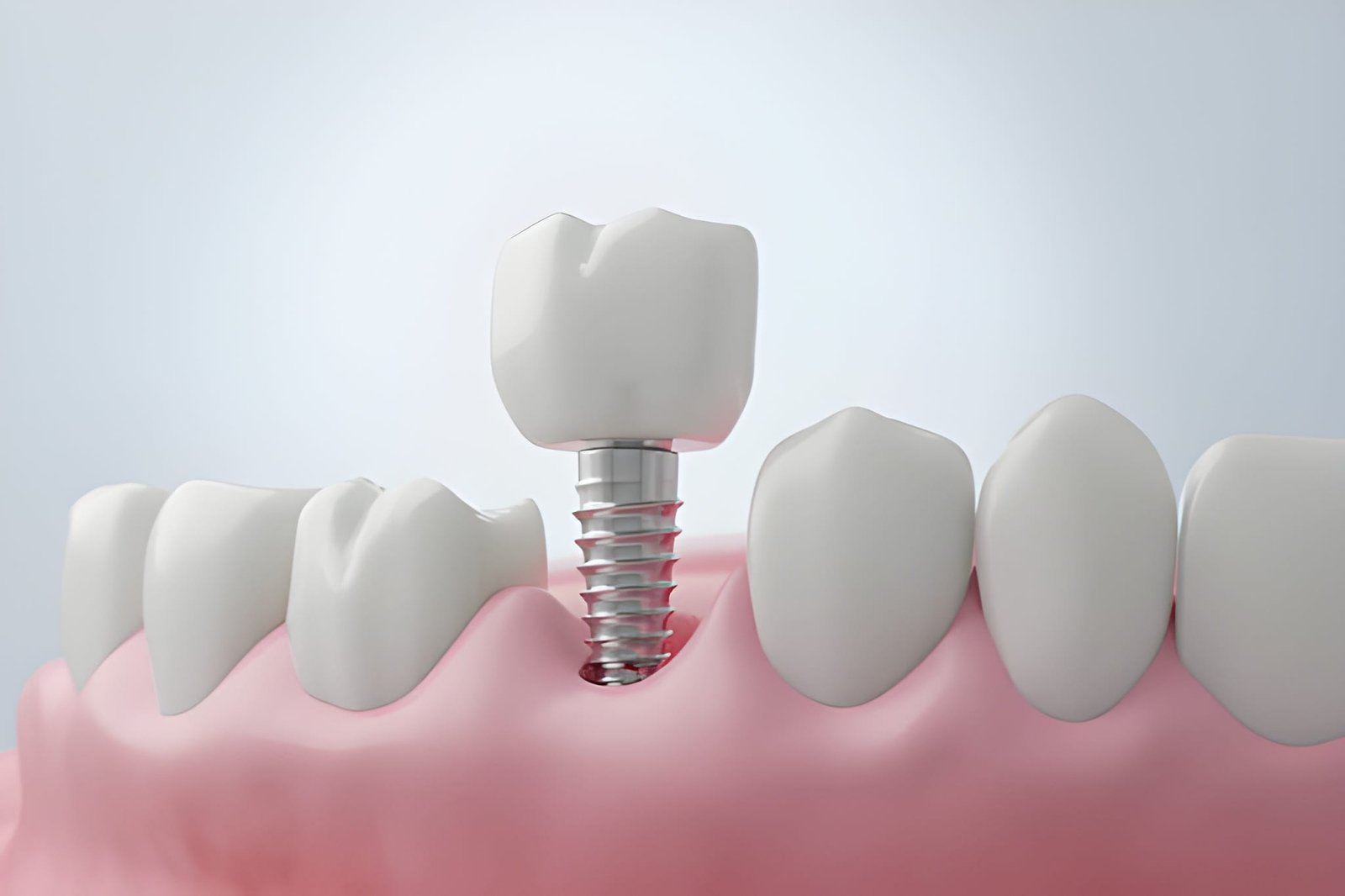
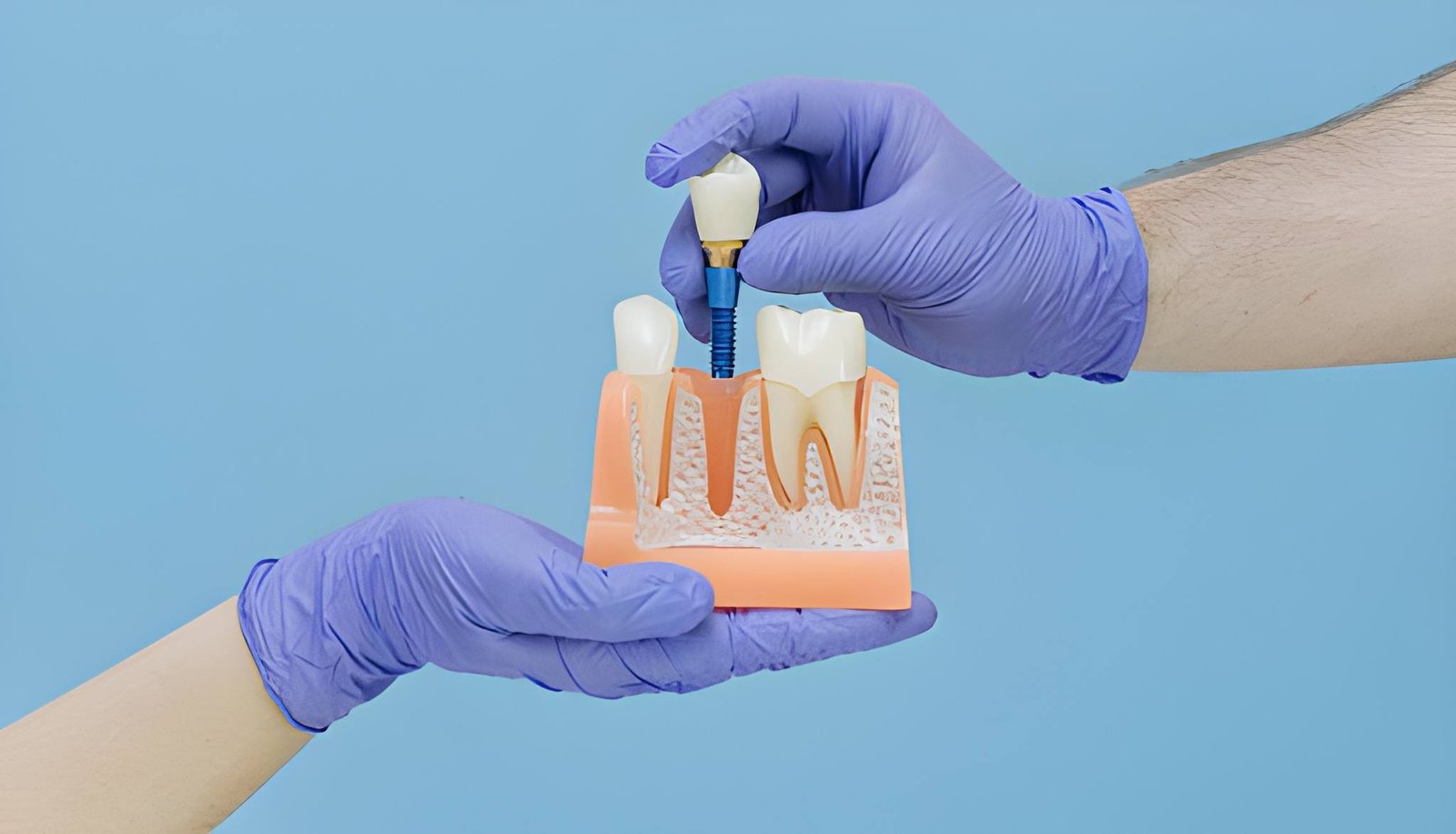
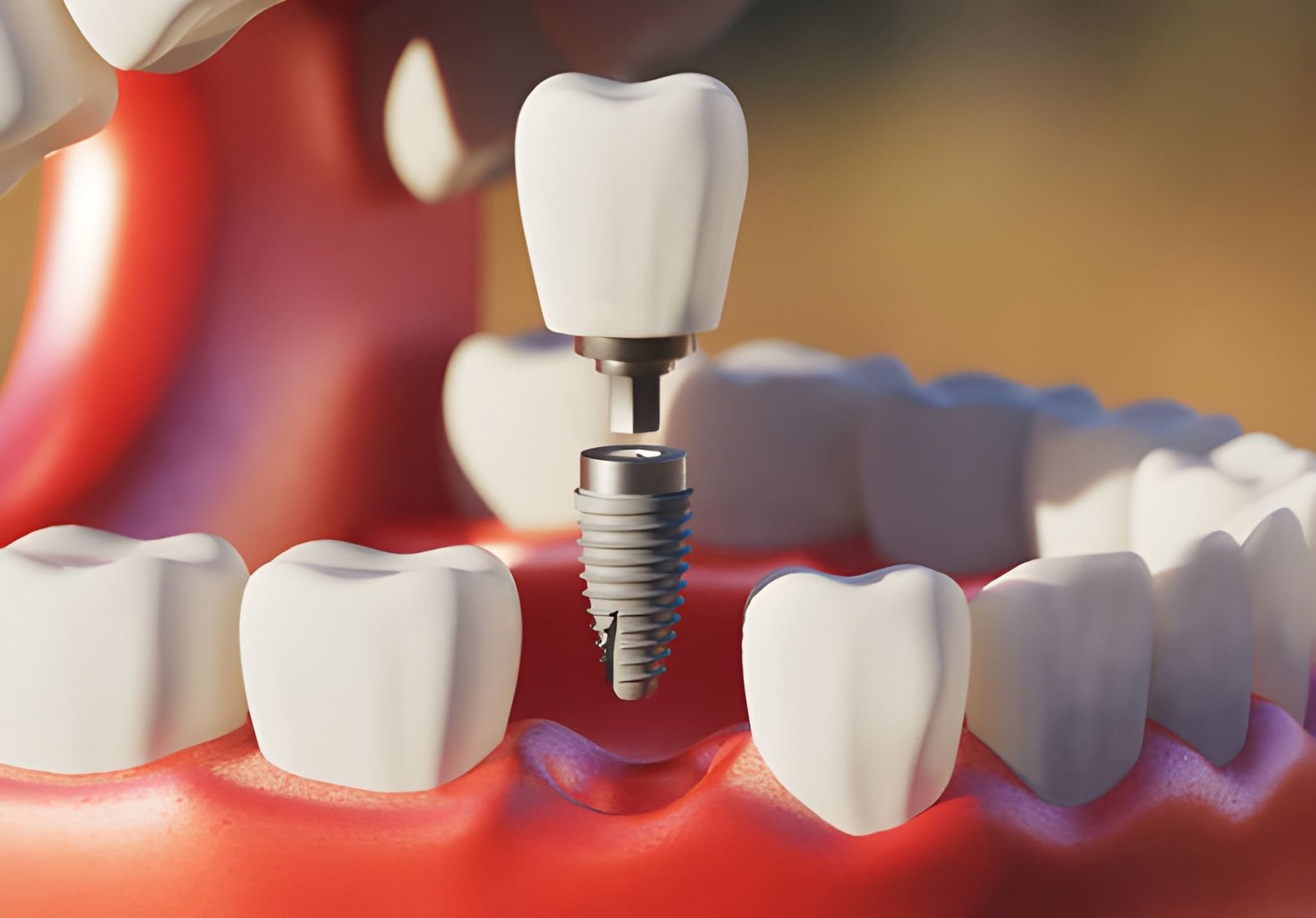
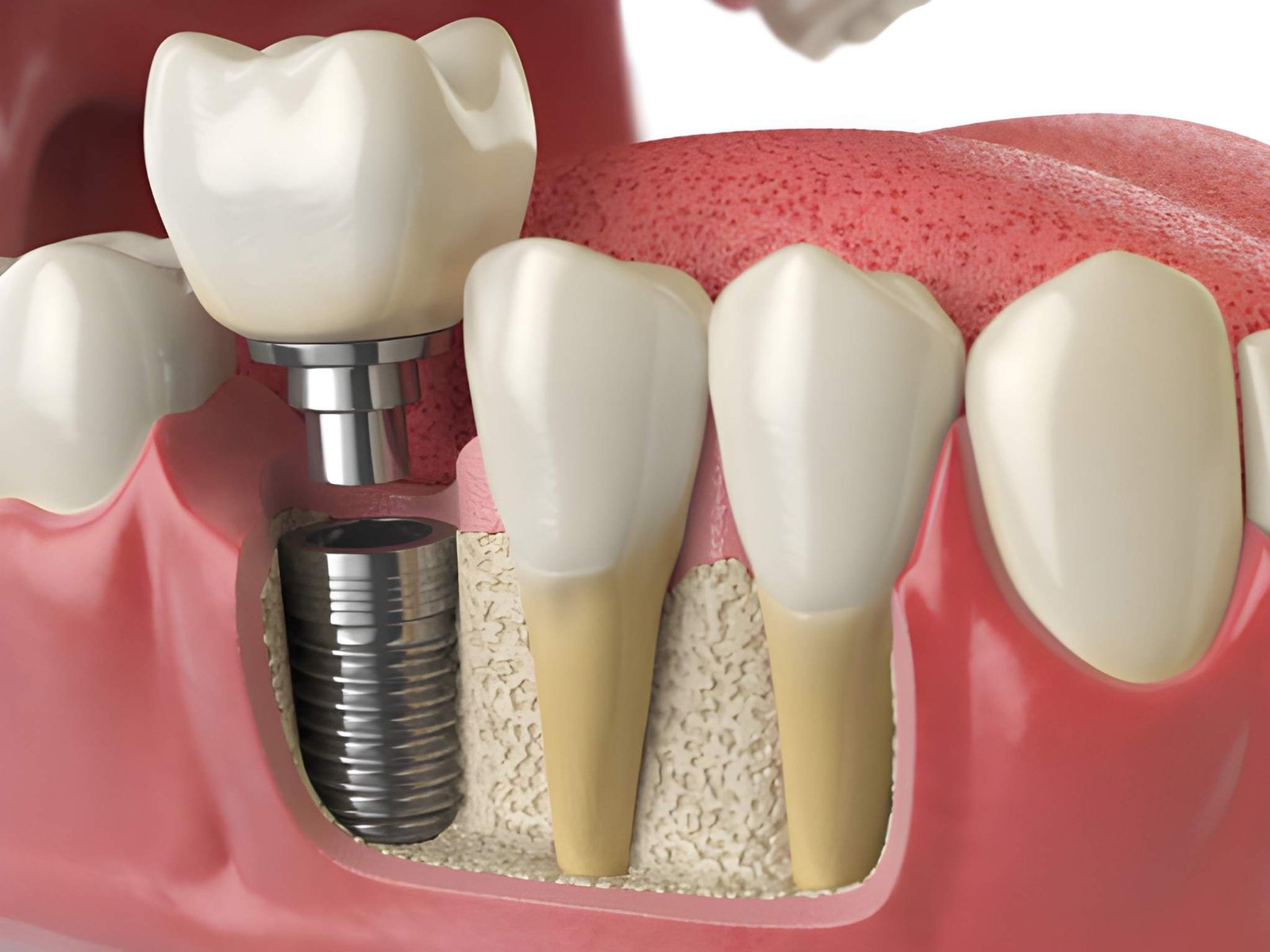
When a dentist says there isn’t enough bone, they usually mean the jaw doesn’t currently have the height, width, or density needed to hold an implant securely. A dental implant is a small titanium or ceramic post placed into the jaw, where it fuses with bone over time. That fusion is what gives an implant its stability — so the surrounding bone has to be substantial enough to anchor it.
Two factors matter most:
- Bone volume — the physical amount of bone available, measured in height and width.
- Bone density — how solid and strong that bone is, which affects how firmly an implant can grip.
If either falls short in a particular area, a standard implant placed in the usual way may not achieve enough initial stability. That doesn’t automatically mean implants are impossible — it means the situation needs more thought, more precise planning, and sometimes a different technique.
Why does bone loss happen after tooth loss?
Your jawbone is living tissue, and it relies on stimulation to stay healthy. Natural teeth pass chewing forces down through their roots into the bone, which keeps that bone active and maintained. It’s a bit like exercise for the jaw.
When a tooth is lost or removed, that stimulation stops in that spot. The body begins to reabsorb the now-unused bone — a process called resorption. This is why people who have worn dentures for many years, or who lost teeth long ago, often show noticeable shrinkage in the jaw.
A few things commonly accelerate bone loss:
- Long gaps between losing a tooth and replacing it.
- Gum disease (periodontitis), which damages the supporting bone directly.
- Wearing traditional dentures over many years without root support.
- Previous extractions or trauma in the area.
Understanding why the bone has changed is part of planning what to do next. Two patients with similar X-rays can have very different prospects depending on where the bone loss sits and what caused it.
Does a lack of bone automatically rule out dental implants?
No — not on its own. Implant suitability is genuinely individual. The amount and position of bone, your gum health, general medical history, lifestyle factors such as smoking, and which teeth are involved all feed into the decision.
Two people can be told the same thing — “not enough bone” — yet end up with very different outcomes. One might be straightforwardly suitable after a minor procedure. Another might need a different implant approach entirely. And occasionally implants really won’t be the right choice. The only way to know which applies to you is a thorough, individual assessment rather than a glance at a single image.
How do dentists accurately assess bone levels?
A reliable answer about implant suitability comes from detailed assessment, not assumption. A modern implant evaluation usually combines several layers of information.
CBCT scans
A cone beam computed tomography (CBCT) scan is a 3D X-ray of your jaw. Unlike a flat dental X-ray, it shows bone height, width, and density from every angle, and reveals the exact position of nerves and sinuses. Many suitability decisions change once a clinician sees a full 3D picture rather than a 2D one. This is often the single most important step.
Digital treatment planning
Using the CBCT data, the clinician can plan implant positions virtually before any treatment begins — effectively rehearsing the procedure on screen. This makes it possible to find usable bone, choose the right implant size and angle, and avoid important structures.
Clinical examination
A hands-on examination assesses your gums, bite, remaining teeth, and the soft tissue around the proposed site. Healthy gums and a stable bite matter just as much as the bone underneath.
Overall oral health assessment
Finally, the bigger picture is reviewed: gum disease, medical conditions, medications, and habits that affect healing. Implants succeed best when the whole mouth is healthy and the plan is realistic.
What options may be available if bone volume is limited?
This is where modern implant dentistry has moved on the most. When bone is limited, there are several approaches a clinician may consider — sometimes alone, sometimes combined. Which (if any) suits you depends entirely on your individual assessment.
Bone grafting
Bone grafting rebuilds or adds volume where bone is lacking, using grafting material that your body gradually replaces with its own bone. It’s a well-established technique that can create a foundation strong enough to hold an implant where there wasn’t one before. It does add healing time to the overall treatment.
Sinus lift procedures
In the upper back jaw, the sinus cavities can sit low, leaving little bone for implants. A sinus lift gently raises the sinus membrane and adds bone beneath it, creating room for implants in an area that might otherwise be ruled out.
Short implants
Exactly as the name suggests, short implants are designed for situations with reduced bone height. In suitable cases they can avoid the need for more involved grafting, because they work within the bone that’s already there.
Angled implants
Placing implants at an angle, rather than straight down, allows a clinician to anchor them in areas of denser, more available bone. Careful angulation can make use of bone that a standard vertical placement would miss.
Full arch solutions such as All-on-4
Where many or all teeth are missing, full arch techniques like All-on-4 use a small number of implants — often placed at strategic angles — to support a complete fixed set of teeth. These approaches are specifically designed to make the most of available bone and can be an option for patients previously told they had too little.
Why seeking a second opinion can sometimes be worthwhile
Dentistry is not entirely uniform. Clinicians differ in their experience with complex cases, the techniques they routinely use, and the equipment available to them. A practice that doesn’t regularly handle reduced-bone cases may, quite reasonably, advise against implants — while a clinician who plans these situations often might see a workable route.
A second opinion isn’t about suggesting anyone was wrong. It’s about getting a fresh, thorough look from someone whose day-to-day work involves exactly this kind of assessment. At worst, you confirm what you were already told and feel more settled in your decision. At best, you discover an option you didn’t know existed.
When might implants genuinely not be appropriate?
Honesty matters here. Implants are not right for everyone, and a good clinician will tell you plainly when that’s the case. Implants may not be advisable when, for example:
- Severe, uncontrolled gum disease or active infection is present and untreated.
- Certain medical conditions or medications significantly impair healing.
- Heavy smoking substantially raises the risk of implant failure.
- Bone loss is so extensive that even advanced techniques can’t create a safe, lasting foundation.
The aim of a proper assessment is to rule treatment in or out responsibly — not to push implants where they don’t belong. Where implants aren’t suitable, other tooth replacement options can still be discussed.
What happens during an implant assessment?
Knowing what to expect makes the process far less daunting. A typical implant consultation follows a clear sequence:
- A conversation about your history, concerns, and what you’d like to achieve.
- A clinical examination of your teeth, gums, and bite.
- A CBCT scan to assess bone in three dimensions.
- Digital planning to explore whether and how implants could be placed.
- A clear explanation of your options, the likely steps, and any limitations — so you can make an informed decision.
There’s no pressure to decide on the day. The purpose is understanding, not commitment.
Complex implant assessments at Waterloo Dental Practice in Lanark
At Waterloo Dental Practice on Waterloo Road in Lanark, John regularly assesses complex implant cases, including patients who have previously been told they may not have enough bone. The focus is on understanding each person’s situation fully before any option is ruled in or out.
Patients can access:
- Comprehensive implant consultations
- CBCT scanning and assessment
- Second-opinion implant evaluations
- Bone loss assessments
- Personalised treatment planning
- Implant maintenance support
- Long-term follow-up care
Because Lanark sits within easy reach of the central belt, patients travel from across the region — including Glasgow, Edinburgh, and the wider South Lanarkshire area — for a considered second look at whether implants might be possible after all.
Frequently asked questions
Can I get dental implants if I have bone loss?
Often, yes. Bone loss doesn’t automatically rule out implants. Techniques such as bone grafting, sinus lifts, short implants, angled implants, and full arch solutions are specifically designed to help in cases of reduced bone. A CBCT scan and individual assessment are needed to know what’s possible for you.
Is it worth getting a second opinion about dental implants?
It can be. Clinicians vary in experience and in the techniques they use routinely. A second opinion from a dentist who regularly handles complex, reduced-bone cases may reveal options that weren’t discussed before — or simply confirm your original advice with more detail.
What is a bone graft for dental implants?
A bone graft adds material to areas where jawbone is lacking. Over time your body replaces it with natural bone, building a foundation strong enough to support an implant. It’s a routine, well-established part of modern implant dentistry, though it does extend the overall treatment timeline.
Why does the jawbone shrink after losing teeth?
Natural tooth roots stimulate the jawbone through chewing. When a tooth is lost, that stimulation stops and the body gradually reabsorbs the unused bone — a process called resorption. The longer a gap is left, the more shrinkage tends to occur.
What is All-on-4?
All-on-4 is a full arch technique that supports a complete fixed set of teeth on a small number of implants, often placed at angles to make the most of available bone. It can be an option for patients with significant tooth loss who were told they had insufficient bone for conventional implants.
Why is a CBCT scan important for implant planning?
A CBCT scan is a 3D X-ray showing bone height, width, and density, plus the position of nerves and sinuses. It gives a far more accurate view than a standard flat X-ray, and suitability decisions often change once the full 3D picture is available.
The bottom line
“You don’t have enough bone” is a real clinical observation — but it isn’t always the final word. Bone can sometimes be rebuilt, worked around, or used more cleverly than a first assessment suggests, and techniques continue to evolve. Equally, implants genuinely aren’t right for everyone, and you deserve an honest answer either way.
The only way to know your real options is a thorough, individual assessment by a clinician experienced in complex cases.
Book your implant consultation in Lanark
If you’ve been told you’re not suitable for implants, a second opinion could give you clarity — and possibly options you didn’t know you had. John at Waterloo Dental Practice in Lanark will assess your case carefully, talk you through what a 3D scan reveals, and explain honestly whether implants might be possible for you. There’s no pressure, just a clear, professional look at where you stand. Get in touch to arrange your consultation.
Frequently Asked Questions
Can I get implants if I’ve been told I don’t have enough bone?
Often, yes. Techniques like bone grafting, sinus lifts, short implants and All-on-4 are designed for low-bone cases. A CBCT scan and individual assessment confirm what’s possible for you.
Is a second opinion on dental implants worth it?
It can be. Clinicians differ in experience and techniques. A dentist who regularly handles complex, low-bone cases may spot options you weren’t offered before — or confirm your original advice.
What is a bone graft?
A graft adds material where the jawbone is lacking. Your body gradually replaces it with natural bone, building a foundation strong enough to support an implant. It does add healing time.
Why does the jaw shrink after tooth loss?
Tooth roots stimulate the jawbone through chewing. Once a tooth is lost, that stimulation stops and the body reabsorbs the unused bone. The longer the gap is left, the more shrinkage occurs.
Can implants ever be unsuitable?
Yes. Untreated gum disease, certain medical conditions, heavy smoking, or very severe bone loss can rule them out. An honest assessment rules treatment in or out responsibly.