A full-mouth dental implant package abroad is often advertised at a fraction of the price quoted for the same treatment in Scotland. That isn’t a typo, and it isn’t a special offer either — it’s the standard market gap, the one driving thousands of Scottish patients to scroll dental tourism Instagram ads at midnight and wonder whether they’re missing a trick.
Here’s the honest answer: there’s a perfectly logical reason for the gap, and it isn’t a scam. Overseas clinics aren’t conjuring miracle pricing out of thin air. They’re operating a different business model, with a different cost base, selling what is — clinically and commercially — a different product. The question worth answering before you book a flight from Glasgow or Edinburgh is what, exactly, has been removed from the offer to reach that headline figure.
This article walks through it line by line. Materials. Clinician time. Aftercare. The redo if something fails. None of it is hidden — most patients just never think to ask.
Why does the price gap actually exist?
When two implant treatment plans differ this dramatically in price, you’re not looking at two prices for the same product. You’re looking at two genuinely different products dressed up to sound the same. The titanium screw might be similar in shape. The crown might look similar from across a dinner table. But the planning, the materials behind them, the people fitting them, and the years of care wrapped around them — those vary enormously, and that’s where the price gap lives.
The four areas where the cost is most commonly stripped out are: implant and prosthetic materials, qualified clinician time, structured aftercare, and the cost of correcting failures. Take them one at a time.
1. The implant materials themselves
Not all dental implants are made the same way, by the same manufacturers, to the same standards.
Why implant brand matters
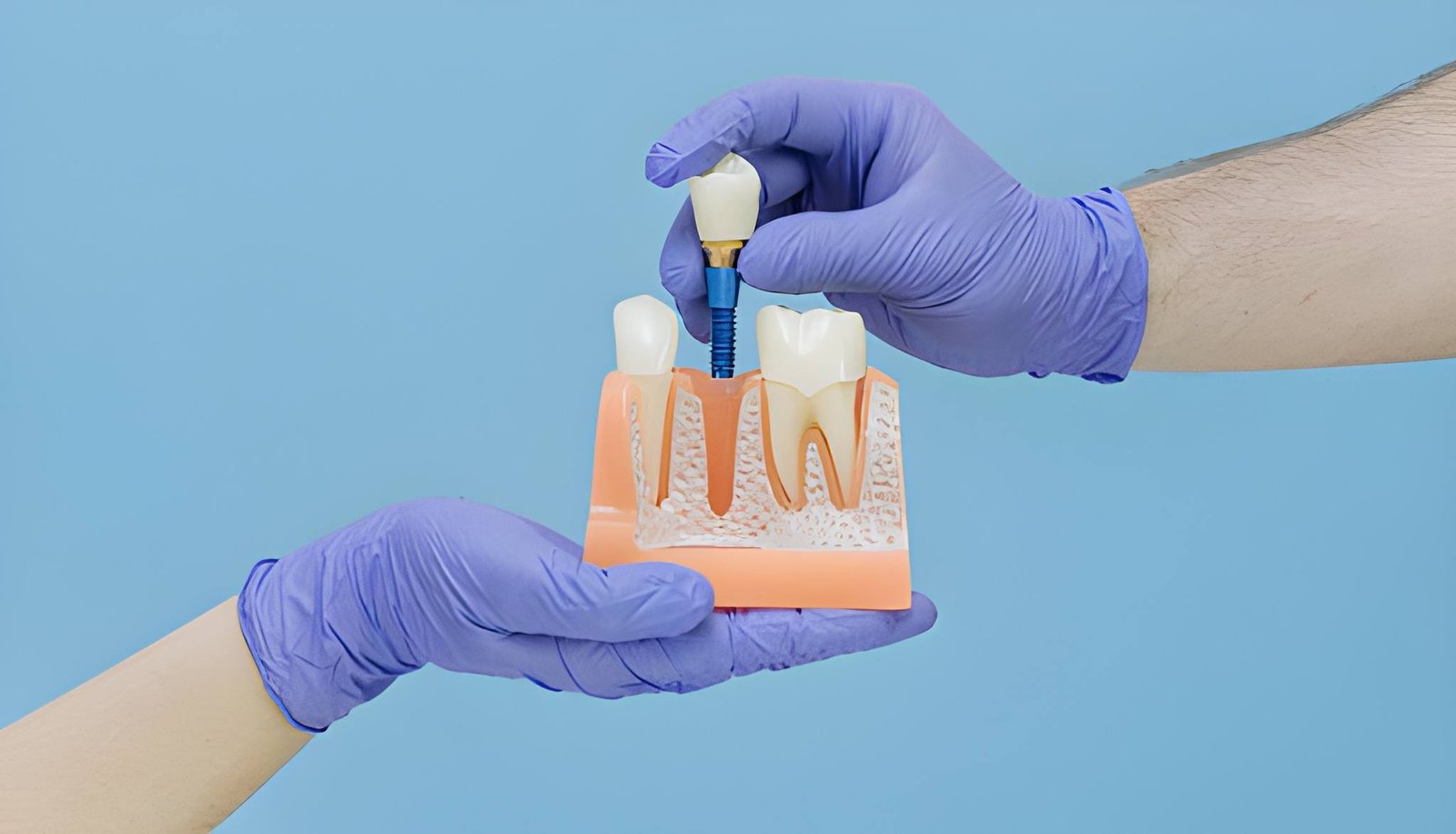
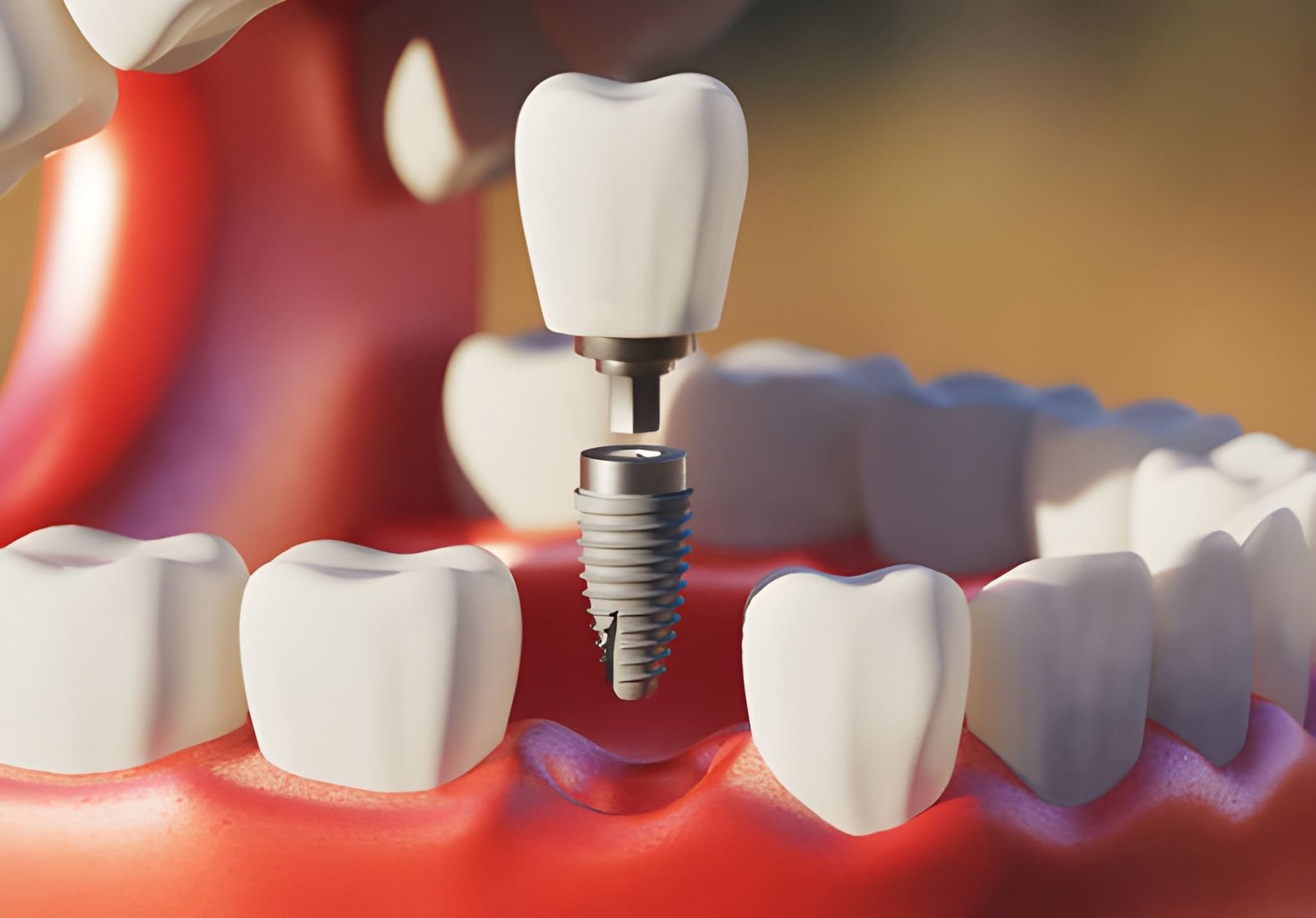
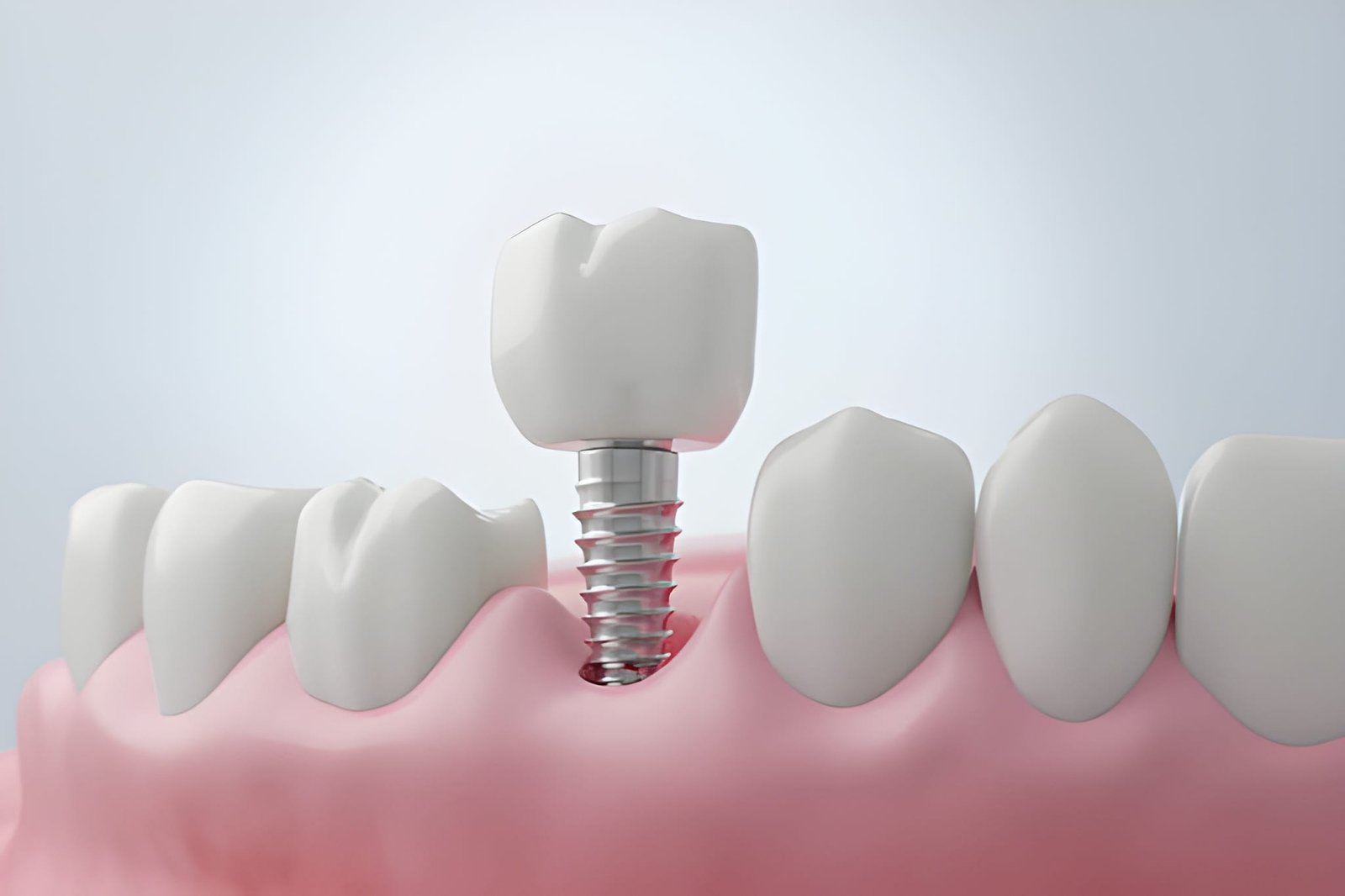
The implant industry has a clear tier system. At the top sit long-established systems — Straumann, Nobel Biocare, Astra Tech, Ankylos — backed by decades of peer-reviewed clinical research, well-documented long-term success rates, and universal serviceability. If you have a Straumann implant placed in Lanark and you move to Cornwall ten years later, any UK implant dentist can source the matching abutment within days.
Below the top tier sit hundreds of less-established brands, often manufactured in lower-cost territories and sold to clinics at a fraction of the price. Many perform reasonably well in the early years. Some don’t. The bigger long-term issue is serviceability — if you need a replacement abutment, a screw, or a new crown five years down the line and the original brand is unavailable, you’re sometimes looking at removing the implant entirely and starting again.
Budget dental tourism packages frequently use these lesser-known systems. Patients are rarely told which brand has been placed in their jaw, and the question doesn’t always make it onto the consent form.
What about the crowns?
The same tiering applies to the visible part. High-grade zirconia and pressed ceramic crowns from accredited UK or European dental laboratories cost significantly more than mass-produced alternatives. The difference shows up in shade matching, gum line contour, wear resistance, and how natural the restoration looks at conversational distance over five, ten, or fifteen years.
A heavily discounted full-mouth package cannot, mathematically, include premium implants and premium crowns. Something is being substituted.
2. Qualified clinician time
This is the cost that quietly does most of the heavy lifting in any UK private fee.
Postgraduate training and unhurried case planning
In Scotland, implant placement is typically carried out by a dentist with formal postgraduate implant training, supported by a treatment coordinator, dental nurse, and often a specialist hygienist. Each case begins with a CBCT scan, a periodontal assessment, a bone density review, and a written treatment plan you can take home and read.
That groundwork takes hours of clinician time before a single drill is touched. It’s also where most of the long-term success or failure of an implant is decided. Surgeons who place implants in inadequate bone, at the wrong angle, or in patients with active gum disease are setting up problems that surface eighteen months later — well after the patient has flown home.
The throughput problem
Dental tourism clinics aren’t necessarily unsafe, but they typically operate a high-throughput model. Multiple patients per surgeon per day. Condensed consultations on day one of a holiday. Shorter chair time per procedure. Treatment planning done quickly, sometimes without the same depth of preoperative workup.
When you pay UK private fees, a meaningful share of that money is buying unhurried clinician attention. At the price points common in dental tourism, the maths simply doesn’t allow for the same level of one-to-one time. That isn’t anyone’s fault — it’s how the business model is built.
3. Long-term aftercare and maintenance
This is the line item almost no overseas package quotes, because it’s almost never part of the deal.
What proper implant aftercare actually looks like
Implants need looking after, much like natural teeth — arguably more so, because they don’t have the same biological feedback systems built into the natural tooth root. UK implant treatment ordinarily builds in a structured maintenance pathway:
- Hygiene appointments every three to six months with implant-specific cleaning
- Periodic radiographs to monitor bone levels around each implant
- Soft-tissue checks for the earliest signs of peri-implant mucositis
- Early intervention if any inflammation appears, before it progresses to peri-implantitis
- Bite checks and crown adjustments as the rest of the mouth changes over time
When this pathway is followed, well-placed implants regularly last twenty years and beyond.
Why long-distance aftercare doesn’t work
For patients flying from Glasgow Airport or Edinburgh Airport, returning abroad three or four times a year for routine maintenance isn’t realistic. So in practice, aftercare for implants placed overseas has to be arranged and paid for separately in the UK once the patient is home.
Some clinics are reluctant to take on the maintenance of work they didn’t plan. Others will accept it, but at full private fees — fees that should arguably have been part of the original quote. Either way, the apparent saving shrinks year on year.
4. The redo if something fails
This is the most expensive line item missing from the headline price, and the one patients almost never plan for.
The warranty paradox
Most overseas clinics offer a warranty on paper. The wording is reassuring. The clause that matters less often is the one that says corrective treatment must be carried out at the original clinic. That means flying back for assessment, then potentially flying back again for treatment — taking time off work, paying for accommodation, and travelling during what may be an active infection or complication.
In practice, most patients in this situation either give up on the warranty or seek treatment in the UK. The warranty becomes theoretical.
Corrective treatment in Scotland
When a UK clinic ends up correcting failed implant work, you’re paying full private fees for what is almost always a more demanding case than the original:
- Removing failed implants without damaging the surrounding bone
- Managing infection and waiting for tissues to settle
- Bone grafting to rebuild lost volume
- A full healing period before any new implant can be placed
- Restarting the entire treatment cycle from scratch — often nine to fifteen months total
Patients arriving for corrective treatment in Scotland after paying for implants abroad are commonly quoted considerably more to put things right than they originally paid. Add the original treatment cost, and the true figure for the journey is sometimes higher than the all-UK plan would have been from the outset.
That is the cost-of-failure no headline price reflects.
A like-for-like comparison that patients can actually use
If you’re trying to compare options honestly, the question to ask isn’t “what does the implant cost?” — it’s “what does the next twenty years of this implant cost?” That includes:
- The implant and crown themselves
- Premium versus budget brand grade
- Diagnostic imaging, planning, and clinician time
- Maintenance for the next ten to twenty years
- A realistic provision for corrective work if it’s ever needed
- Travel, accommodation, and time off work across the full treatment lifecycle
Compare honestly across all of those, and the gap behaves very differently than it does on a marketing landing page.
What a properly planned UK implant journey actually buys
At Waterloo Dental Practice in Lanark, the figure quoted at the start of treatment accounts for the full picture — premium implant systems, complete diagnostic workup, unhurried surgical chair time, the final restoration, and a structured aftercare pathway built into the lifetime of the implant. Our approach to Dental Implants in Lanark focuses on long-term quality, continuity of care, and treatment planned properly from the beginning.
That isn’t a marketing claim. It’s just the cost of doing implant treatment properly the first time, for patients who’ll be sitting in the same chair for the next twenty years of reviews.
Frequently Asked Questions
Why are dental implants so much cheaper abroad than in the UK?
Lower clinician costs, lower laboratory costs, a high-throughput business model, and the use of less expensive implant brands and prosthetic materials all contribute. Aftercare and corrective work are also rarely included in the headline price, which removes a significant cost line from the offer.
Are budget implant brands actually unsafe?
Not necessarily in the short term. The longer-term concern is serviceability — if components or replacements aren’t readily available from UK dentists later, even minor repairs may require removing the implant entirely. Established brands like Straumann, Nobel Biocare, and Astra Tech are recognised and serviced industry-wide.
Does NHS Scotland cover the repair of dental implants placed abroad?
NHS services in Scotland can manage pain, infection, and acute emergencies, but they do not reconstruct private implant work — and certainly not work placed overseas. Corrective treatment is funded privately by the patient.
What does corrective implant treatment in the UK actually involve?
It typically means removing failed implants without damaging surrounding bone, managing any infection, allowing the tissues to settle, bone grafting to rebuild lost volume, and a full healing period before any new implant can be placed. The complexity varies depending on the number of implants affected and the extent of bone loss — but it’s almost always a more demanding case than the original would have been.
What’s included in a UK private implant fee that isn’t included abroad?
Typically: full diagnostics including a CBCT scan, premium-grade implants and crowns from major manufacturers, postgraduate-trained clinician time, a structured aftercare and maintenance plan, and the practical ability to walk back into the clinic that placed your implant if anything ever goes wrong.
Can I get a clear, no-pressure quote in Lanark before deciding?
Yes. Waterloo Dental Practice offers free implant assessments, including a clinical examination and a transparent written treatment plan, so you can compare like for like against any quote you’ve received elsewhere.
Ready to compare the real cost, not just the headline price?
Whether you’ve already received a quote from a clinic abroad or you’re at the very start of researching dental implant treatment, an honest conversation with a local implant team is the most useful next step. We’ll review your case in detail, walk you through what’s included at every stage, and give you a transparent comparison — no pressure, no scare tactics, just clear information from a clinical team you can actually keep seeing for the long term.
If you’re a patient in Lanark, the wider South Lanarkshire area, or travelling in from Glasgow or Edinburgh, we’d be glad to see you.